
Recent Posts

Dog Food Ingredients 101: Herring Oil


#AtoZChallenge 2023 letter HI’ve been giving my senior papillon, Kitsune, supplemental fish oilOpens in a new tab. for a couple of years now.  When most people think of fish oils for dogs, they probably think of salmon oil.  However “fish oil” can be created from pretty much any type of oily fish.  The one I commonly use for my own dog is created from wild anchovies and sardines.  Herring oil is a fish oil created from, you guessed it, herring!

This post is part of our 2023 April blogging from A to Z Challenge!Opens in a new tab.  Join us this month as we go through the alphabet, A to Z, learning more about some of the ingredients that are commonly (or not so commonly, in some cases) found in our dog’s food!

What is Herring Oil?

Herring, sometimes also called “silver darlings” are a species of fish that belongs to the Clupeidae family.  They are considered to be forage, otherwise known as prey or bait, fish, and are preyed upon by a wide array of animals in the wild.  Herrings are very oily fish.  Herring oil is a type of fish oil created from herrings.
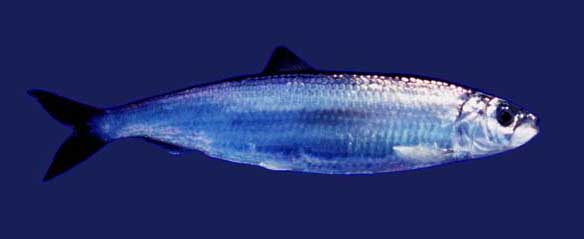
Photo Credit: Uwe Kils. Licensed under the Creative Commons Attribution-Share Alike 3.0 Unported license.

Why is Herring Oil Added to Dog Food?

Fish oils, herring oil included, is thought to provide a wide array of benefits for dogs.  The omega-3 fatty acids present in fish oil play important roles in everything from healthy brain function to managing inflammation.  Fish oil is a popular supplement used for dogs, especially sports dogs who are especially active and seniors who may be dealing with health issues like arthritis.
herring oil dog food

Cons of Feeding Herring Oil to Dogs:

Some feel that the benefits of supplementing with fish oil may be overstated.  In humans, studies on the benefits of fish oil have suggested not only that fish oil may not be as beneficial as once thought, but that it can sometimes be detrimental.  A human study conducted in 2003, for example, found that…

Men advised to eat oily fish, and particularly those supplied with fish oil capsules, had a higher risk of cardiac death.

Dog’s bodies use vitamin E to process oils, fish oils included.  If too much oil is added to the diet, it can deplete their vitamin E.  Vitamin E deficiency in dogs can lead to vision issues, cardiovascular issues, neurologic abnormalities, and immune system impairment.  Symptoms of vitamin E deficiency in dogs can include muscle weakness and hemorrhages in the large intestine.

Too much fish oil, besides potentially causing vitamin E deficiencies, can also cause diarrhea and vomiting in some dogs.  It should be avoided for dogs with health issues such as pancreatitis and, in many cases, acid reflux.

Benefits of Feeding Herring Oil to Dogs:

Like other types of fish oils, the omega-3 fatty acids in herring oil are thought to provide many benefits including…

  • A boosted immune system
  • Relief from skin allergies
  • Improved cognitive function
  • Protection against autoimmune diseases
  • Improved skin and coat health
  • Potential protection against cancers
  • Improvement of stomach/digestive issues
  • Protection against heart disease and stroke
  • Renal support/protection
  • Reduced inflammation throughout the body
  • Relief from arthritis pain

So What’s the Verdict on Herring Oil?  Is it Safe as a Dog Food Ingredient?

Herring oil, and other fish oils in general, are very much a case of “amounts matter”.  Fish oils are thought to be beneficial for most dogs in moderation.  Offering too much herring oil, however, can potentially lead to health issues ranging from mild GI upsets to very serious vitamin E deficiencies.  Talk to your vet about how much fish oil your pet should be getting, especially if herring or another type of fish oil is already present in your dog’s food.  It can be easy to overlook the fact that your dog’s food already contains fish oil and then over supplement with additional oil.

Out of my two dogs, one of them cannot tolerate fish oil.  He has a sensitive stomach.  The few times I’ve tried supplementing him with fish oil it made him sick.  My senior dog, however, does well on supplemental fish oil.  I feel like it does seem to help a bit with his arthritis.

Comment below!  Did you know that some dog foods contain fish oils?  Do you supplement your dog’s diet with herring oil, or some other type of fish oil?
herring oil

Dog Food Ingredients 101: Glucosamine


#AtoZChallenge 2023 letter G The other day I wrote about chondroitin sulfateOpens in a new tab..  Today’s dog food ingredient, glucosamine, is the peanut butter to chondroitin’s jelly!  Glucosamine and chondroitin are often found together in supplements meant to help support dog joint health.  I supplement my own senior dog, Kitsune, with Dasuquin (among other things)Opens in a new tab. to help deal with his arthritis.  Most dog owners know about glucosamine supplements, but did you know that some dog foods contain glucosamine?

This post is part of our 2023 April blogging from A to Z Challenge!Opens in a new tab.  Join us this month as we go through the alphabet, A to Z, learning more about some of the ingredients that are commonly (or not so commonly, in some cases) found in our dog’s food!

What is Glucosamine?

Glucosamine (C6H13NO5) is an amino sugar that helps to form glycosaminoglycans and glycoproteins.  Glycosaminoglycans and glycoproteins are the building blocks that help form ligaments and cartilage.

Supplemental glucosamine is usually derived from the exoskeletons of shellfish, although it can also be created by fermenting grains.

Glucosamine dog food

Why is Glucosamine Added to Dog Food?

Glucosamine is a popular joint supplement.  It is thought to be able to help repair cartilage within joints, helping to reduce the pain of arthritis.  Glucosamine is a naturally occurring substance in dog’s bodies.  However, as dogs age, their bodies begin to produce less glucosamine.  This slows down joint repair, and can contribute to pain and inflammation of the joints.  For these reasons, glucosamine is a common supplement especially for older dogs.

Cons of Feeding Glucosamine to Dogs:

Although glucosamine is commonly given to dogs, and generally thought of as safe, some dogs do react poorly to it.  Side effects of supplementing with glucosamine can include allergic reactions, fatigue, insomnia, stomach upset, or excessive thirst and urination.  Talk to your vet before supplementing your dog with glucosamine if they are on a prescription blood thinner, have diabetes, or are being treated for cancer.

Benefits of Feeding Glucosamine to Dogs:

Glucosamine is used most commonly as a preventative or treatment for arthritis in dogs.  It is thought to be able to help reduce inflammation, and thus pain, in dog’s joints.  For most dogs, if glucosamine supplements work they are a safer alternative than other treatments used to deal with arthritis, such as NSAID pain medications.

So What’s the Verdict on Glucosamine?  Is it Safe as a Dog Food Ingredient?

Glucosamine is generally thought to be safe for most dogs.  It is possible for dogs to be allergic to glucosamine, especially if it’s shellfish derived.  Some dogs do experience adverse effects, especially if glucosamine is given in excess.  Studies thus far about the effectiveness of glucosamine in dogsOpens in a new tab. seem hit or miss.  More research is defiantly needed.  However, empirical evidence seems to suggest that glucosamine can help alleviate pain in at least some arthritic dogs.

Comment below!  Do you, or have you ever, supplemented a pet with glucosamine?  Did you feel like it helped them?

glucosamine

Dog Food Ingredients 101: Flaxseed


#AtoZChallenge 2023 letter F

It’s always nice when you look at the ingredient list on the back of your dog’s food bag and actually see the names of ingredients you can pronounce!  And spell!  This is only the first week of this year’s A to Z blog challenge and already I’ve written about ingredients like dicalcium phosphateOpens in a new tab. and Enterococcus faeciumOpens in a new tab..  Although I love writing, spelling has never been my strong suit.  Needless to say, I was thankful for copy and paste this week, so I didn’t have to spell Enterococcus faeciumOpens in a new tab. over and over again!  Now flaxseed I can do.

This post is part of our 2023 April blogging from A to Z Challenge!Opens in a new tab.  Join us this month as we go through the alphabet, A to Z, learning more about some of the ingredients that are commonly (or not so commonly, in some cases) found in our dog’s food!

What is Flaxseed?

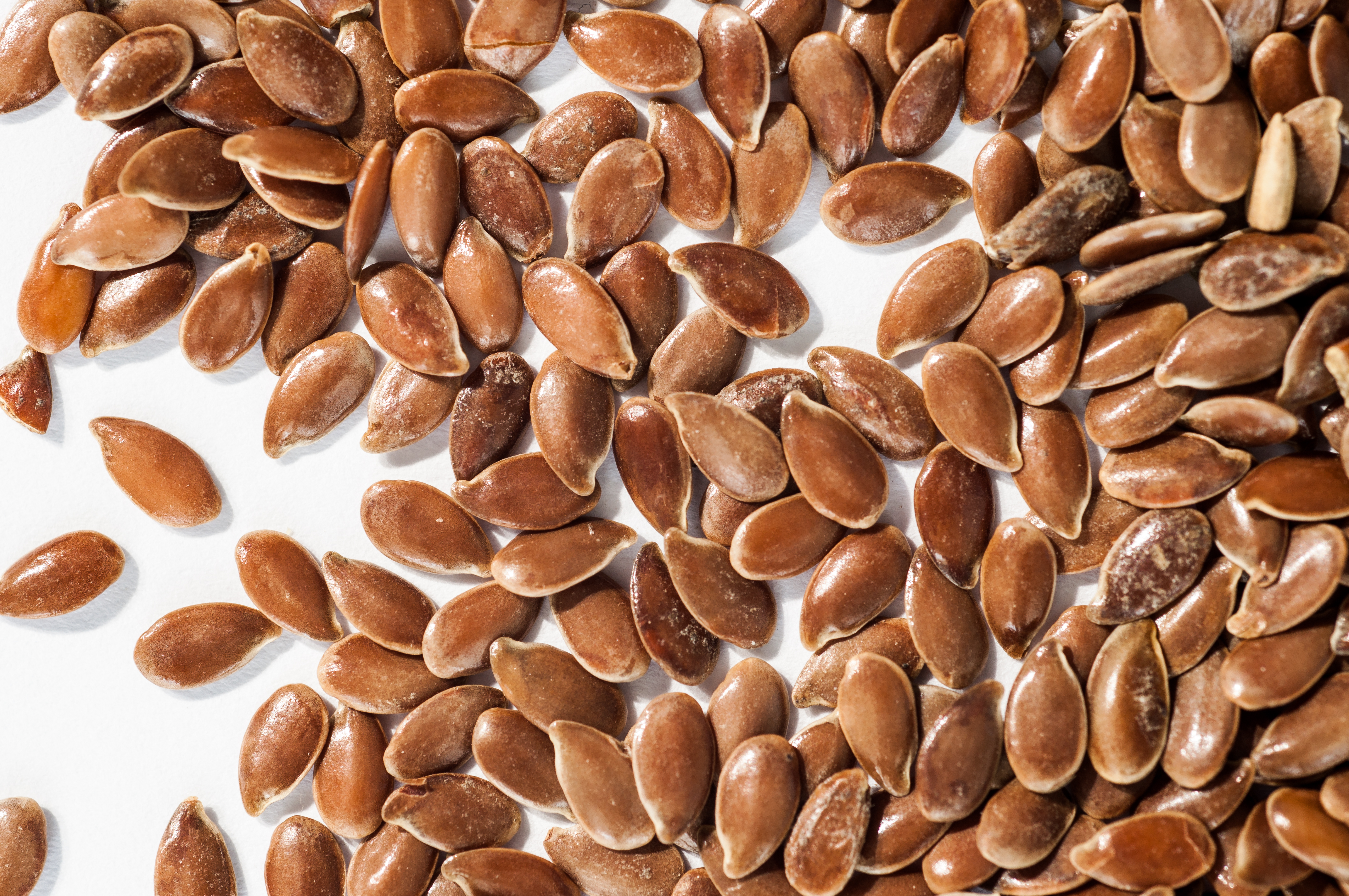
Flaxseed, as the name suggests, are the seeds of the flax plant (Linum usitatissimum).  The seeds are small and either brown or yellow.  They have a somewhat nutty flavor and are considered to be a superfood for humans (and dogs?).

flaxseed
Photo via BastienM. Licensed under the Creative Commons Attribution-Share Alike 3.0 Unported license.

Why is Flaxseed Added to Dog Food?

Flaxseed has a number of benefits for both people and dogs.  When added to dog food, it can act as a fiber and plant protein source, and also provides valuable nutrients such as omega fatty acids, antioxidants, magnesium, choline, manganese, thiamine, and phosphorus.

Cons of Feeding Flaxseed to Dogs:

Although the flaxseed itself is considered safe, in moderation, for dogs, feeding too much can lead to flaxseed poisoning.  Raw flax contains cyanogenic glycosides.  Although most of the toxin is removed during processing, overdosing on flaxseed can lead to cyanide poisoning.  Symptoms most commonly include vomiting and diarrhea, but can also include paralysis, difficulty walking, rapid heart rate, lethargy, seizures, and shortness of breath.

Dogs should not be fed raw flax for this reason.  If your dog is on any medication, especially anticoagulants, insulin, or blood pressure medication you should speak with your vet before offering supplemental flaxseed.  It’s also important to note that some dogs can be allergic to flaxseed.

flaxseed dog food

Benefits of Feeding Flaxseeds to Dogs:

  • Digestive Aid: Flaxseed is high in fiber, which can help maintain a healthy GI tract.
  • Nutrients: Flaxseed contains nutrients such as magnesium (bone health), manganese (helps nutrient absorption), choline (liver and brain function), thiamine (metabolism and nerve function), and phosphorus (bone health).
  • Skin & Fur Health: The omega fatty acids in flaxseed can help promote a healthy skin and coat.
  • Immune Support: Antioxidants in flaxseed help support the immune system, and may even be able to help prevent cancer!
  • Reduced Inflammation: The omega fatty acids in flaxseed have also been shown to help reduce inflammation, including inflammation occurring in the joints due to arthritis.

So What’s the Verdict on Flaxseed?  Is it Safe as a Dog Food Ingredient?

Flaxseed is safe, and can be quite beneficial, to dogs as long as it’s offered in moderation and your dog isn’t allergic to it.  Luckily, when feeding a dog food that contains flaxseed as an ingredient, you shouldn’t have to worry about overdosing.

Comment below!  Does your dog food contain flaxseed?

flaxseed dogs

Dog Food Ingredients 101: Enterococcus Faecium


#AtoZChallenge 2023 letter EDo you give your dogs probiotics, or maybe even take them yourself?  A healthy gut is everything!  Did you know that some dog foods contain pre and probiotics already in the food?  Making our lives easier, if effective, since it would eliminate the need to provide an additional probiotic supplement.  Are probiotics in dog food actually effective?  Today we’re going to look at one bacteria in particular, Enterococcus faecium.
This post is part of our 2023 April blogging from A to Z Challenge!Opens in a new tab.  Join us this month as we go through the alphabet, A to Z, learning more about some of the ingredients that are commonly (or not so commonly, in some cases) found in our dog’s food!

What is Enterococcus faecium?

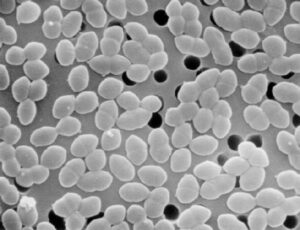
Photo Credit: Janice Haney Carr. Public domain image.

Enterococcus faecium is a gram-positive bacteria commonly found in the GI tract of humans and other animals.

Why is Enterococcus faecium Added to Dog Food?

Enterococcus faecium is an example of what is referred to as a “good bacteria” when it comes to the GI tract of dogs.  It’s commonly used in probiotic supplements designed for dogs.  Probiotics are given to dogs for similar reasons as humans take them.  They are thought to promote GI health, help treat GI issues, reduce inflammation, strengthen immune health, and promote general health.

Enterococcus faecium in particular can be a good choice of probiotic bacteria to add to dog food due to its ability to survive in extreme conditions.

Enterococcus faecium dog food

Cons of Feeding Enterococcus faecium to Dogs:

There is some concern that Enterococcus faecium from dogs may be able to cause illness in people.  Because it is so resilient, Enterococcus faecium seems particularly prone to becoming antibiotic resistant.  Studies, such as this one conducted in 2009Opens in a new tab., have shown that dogs can be carriers of antibiotic resistant strains of Enterococcus faecium.  This is of particular concern to dog owners who are immunocompromised in any way.

There is also some debate on whether probiotics added to dog food actually survives processing.  Although Enterococcus faecium does seem to do better than other strains of bacteria.  This study, conducted in 2003, determined thatOpens in a new tab.

Overall, commercial pet foods that claim to contain probiotics appear to contain very low numbers of viable organisms, and often do not contain the species listed on the label. Whether this relates to improper addition of organisms during processing, failure to survive processing, or poor viability during storage is unclear.

Benefits of Feeding Enterococcus faecium to Dogs:

Enterococcus faecium can help to keep our dog’s GI tracts healthy.  Supplementing with probiotics can be especially beneficial during times of stress or after a course of antibiotics.  Studies have shown thatOpens in a new tab. Enterococcus faecium in particular stimulates the immune system of dogs.

So What’s the Verdict on Enterococcus faecium?  Is it Safe as a Dog Food Ingredient?

Enterococcus faecium’s propensity to become antibiotic resistant is concerning.  It is generally thought to be safe when used as a probiotic for dogs, but care should be taken if you, or someone in your family, is immunocompromised.  Enterococcus faecium is commonly present in the GI tract of dogs even when they are not supplemented with the bacteria, however.  

If your dog requires probiotics to help deal with a health issue, it’s important to remember that your dog’s food may not actually contain the amount of viable probiotics that it promotes on the bag.  Supplementing with a stand alone probiotic is recommended.

Enterococcus faecium  

Dog Food Ingredients 101: Dicalcium Phosphate


#AtoZChallenge 2023 letter DOne thing I always try to make clear when I write posts about food (or food ingredients) for dogs is that amounts really do matter!  I feel like I write, over and over again, that moderation is key.  Too much of anything, even water, can be a bad thing!  Some dog food ingredients are perfectly safe in the small amounts that they’re found in our dog’s food but would be potentially dangerous in larger amounts.  Another thing that I find myself repeating often is that you really have to feed the dog in front of you.  Dogs tolerate different foods and ingredients differently.  There is no “one size fits all” option when it comes to feeding our dogs!

This post is part of our 2023 April blogging from A to Z ChallengeOpens in a new tab.!  Join us this month as we go through the alphabet, A to Z, learning more about some of the ingredients that are commonly (or not so commonly, in some cases) found in our dog’s food!

What is Dicalcium Phosphate?

Dicalcium phosphate, chemical formula CaHPO4, is also known as dibasic calcium phosphate or calcium monohydrogen phosphate.  It is a mineral compound that is usually manufactured from cow’s milk.  As the name suggests, supplemental dicalcium phosphate can be used as a source of both calcium and phosphate.  Dicalcium phosphate is commonly added to human foods such as enriched flour, breakfast cereals, and noodle products.  It is also added to toothpastes because of its ability to help prevent tartar.

dicalcium phosphate dog food

Why is Dicalcium Phosphate Added to Dog Food?

Dicalcium phosphate is added to some pet foods, including dog foods and treats, mainly as a source of calcium.  Calcium is as important for our dogs as it is for us humans.  Namely, proper calcium levels are required to maintain healthy bones and teeth, as well as to support the nervous system and heart.  Phosphorus, which is also present in dicalcium phosphate, is required for proper kidney function.  It also supports muscle and motor function, and the processing of energy.

Dicalcium phosphate is also sometimes added to dry dog foods and treats to help give the food its texture.  Dicalcium phosphate helps make kibble hard and dry.

Cons of Feeding Dicalcium Phosphate to Dogs:

When supplemented in appropriate amounts, dicalcium phosphate is thought to be a relatively safe compound for dogs.

However, dicalcium phosphate cannot absorb water.  It is difficult for some dogs to absorb, and is thought to potentially contribute to the formation of kidney stones, especially if fed in excess.

Benefits of Feeding Dicalcium Phosphate to Dogs:

Calcium, and the proper calcium to phosphorus ratio, is important for dogs.  Dogs require both calcium and phosphorus for their bodies to function properly.  If a dog food is lacking in these nutrients, adding dicalcium phosphate can be a way to safely supplement the food.  As long as it’s not supplemented in excess, dicalcium phosphate can help support your dog’s bone and teeth health.  It also supports proper protein synthesis and supports other body functions such as the nervous system and the heart.

So What’s the Verdict on Dicalcium Phosphate?  Is it Safe as a Dog Food Ingredient?

In the case of dicalcium phosphate, moderation is key!  Dicalcium phosphate is thought to be safe source of both phosphorus and calcium as long as it’s not fed in excess.  If your dog is prone to developing kidney stones, or suffering from other health conditions, this may be an ingredient you’d want to research further.  However, for a healthy dog, I wouldn’t personally go out of my way to avoid feeding food supplemented with dicalcium phosphate.

Dicalcium Phosphate

Dog Food Ingredients 101: Chondroitin Sulfate


#AtoZChallenge 2023 letter CPet food companies will often times cater their recipes to specific pet life stages.  With dog food, for example, it’s not uncommon to find formulas for puppies, adult dogs, and seniors all made by the same company.  Usually, there will be some minor changes between the formulas.  Senior dog food, for example, may be less calorie dense since senior dogs are not usually as active as their younger counterparts.  Senior dog foods will often also contain supplements to help deal with common old dog issues, such as joint pain or cognitive decline.

This post is part of our 2023 April blogging from A to Z ChallengeOpens in a new tab.!  Join us this month as we go through the alphabet, A to Z, learning more about some of the ingredients that are commonly (or not so commonly, in some cases) found in our dog’s food!

What is Chondroitin Sulfate?

If you give your dog, or yourself, a joint supplement you may already be familiar with chondroitin sulfate.  Chondroitin sulfate is a chemical that is an integral component of cartilage.  Cartilage is the connective tissue that helps to cushion and protect the joints.  When cartilage in the joints breaks down, it leads to the painful condition known as arthritis.

Supplemental chondroitin sulfate is usually manufactured from animal sources, such as from cow, pig, shark, bird, or fish cartilage.

Chondroitin Sulfate image by Yikrazuul. Public Domain Image.

Why is Chondroitin Sulfate Added to Dog Food?

Chondroitin sulfate is added to dog food to help support joint health.  It is most commonly seen on the ingredients list of food marketed for joint health or towards senior dogs.  Supplemental chondroitin sulfate is thought to help improve cartilage and joint health.

Cons of Feeding Chondroitin Sulfate to Dogs:

While chondroitin sulfate is pretty safe when offered to dogs in moderation, there is some contention as to whether or not it actually helps improve issues associated with cartilage degradation.  According to VCA Animal Hospitals…

A recent study at the University of Montreal…failed to demonstrate a significant benefit of a chondroitin nutraceutical on gait in 71 dogs with osteoarthritis over 60 days.  Clinical experience likewise suggests that some dogs and cats may appreciably benefit from chondroitin administration and others not at all. It is difficult to anticipate which animals are most likely to respond.

Benefits of Feeding Chondroitin Sulfate to Dogs:

Because chondroitin sulfate does seem to be beneficial for some animals, with very little risk that animals will react poorly to it, it doesn’t hurt to try chondroitin sulfate if you have a pet experiencing joint discomfort.  In some dogs, chondroitin sulfate does seem to help relieve inflammation and pain associated with arthritis.  Chondroitin sulfate is safer for dogs than other types of arthritis medication, such as NSAIDs.

chondroitin sulfate dog food

So What’s the Verdict on Chondroitin Sulfate?  Is it Safe as a Dog Food Ingredient?

I give my own senior dog, KitsuneOpens in a new tab., joint supplements including chondroitin sulfate.  I would not worry about feeding him a dog food that contained chondroitin sulfate as an ingredient.  As long as it’s offered in moderation, chondroitin sulfate is a very low risk ingredient for dogs.  Arthritis is, sadly, a common ailment in senior dogs.  Dogs who do benefit from chondroitin sulfate supplementation may be able to avoid potentially more dangerous drugs for longer.

Comment below!  Does your dog’s food contain chondroitin sulfate?  Do you give your dog(s) any type of joint supplement?

dog chondroitin sulfate