
Recent Posts

Dog Food Ingredients 101: Zinc Proteinate


#AtoZChallenge 2023 letter Z We did it!  Today is the last day of the April Blogging from A to Z Challenge!  Who guessed that the “Z” dog food ingredient would be related to zinc?  I hope that some of my posts over the last month have helped people to learn more about some of the ingredients used to make dog food.  It’s so important to actually know what we’re feeding our furry best friends!

This post is part of our 2023 April blogging from A to Z Challenge!Opens in a new tab.  Join us this month as we go through the alphabet, A to Z, learning more about some of the ingredients that are commonly (or not so commonly, in some cases) found in our dog’s food!

What is Zinc Proteinate?

Zinc proteinate is created by the chelation of zinc with amino acids and/or proteins.  Chelation is a type of bond between ions and molecules to metal ions.  Basically, inorganic metals are bonded to organic amino acids or proteins because it makes them easier for animals’ bodies to process and utilize.

Zinc proteinate is commonly used as a zinc source in animal feed.
dog food Zinc proteinateWhy is Zinc Proteinate Added to Dog Food?

Like in other types of animal feed, zinc proteinate is added to dog food as a supplemental source of zinc.

Cons of Feeding Zinc Proteinate to Dogs:

Zinc toxicity can cause death in dogs.  Signs of zinc toxicity include GI upset, jaundice, lethargy, panting, anemia, weakness, pale gums, and an increased heart rate.  However, zinc toxicity is not caused by the small amounts of zinc that are added into dog foods.  It most commonly occurs when dogs ingest things they shouldn’t, such as metallic objects including zippers, jewelry, nails, and pennies made after 1982.  Zinc containing ointments and sunscreen also contain zinc.  Dogs can also develop zinc poisoning after ingesting human vitamins or zinc supplements.

Benefits of Zinc Proteinate for Dogs:

Animals, dogs included, require a small amount of  zinc.  Dogs’ bodies cannot produce zinc, and don’t store much of  it either.  It must be obtained from the food they eat.  The Association of American Feed Control Officials (AAFCO) recommend that dogs get 120 mg of zinc per kg of dry food.

Zinc is important for the production of DNA, growth, a healthy coat and skin, eyesight, cognitive function, the creation of hormones, wound healing, and the immune system.

Zinc proteinate is used instead of other forms of supplemental zinc because it is easier for animals’ bodies to absorb.

So What’s the Verdict on Zinc Proteinate?  Is it Safe as a Dog Food Ingredient?

Zinc proteinate is more expensive than other forms of supplemental zinc, but it is more bioavailable than other forms.  Dogs’ bodies require small amounts of zinc to function properly.  Zinc deficiency in dogs causes symptoms such as a weakened immune system, frequent infections, slow wound healing, itching, skin and coat issues, stunted growth, and sores on the paws, lips, eyes, ears, and mouth.

Since dogs’ bodies can’t produce zinc, and are inefficient at storing it, it must be obtained from their diet.  Zinc toxicity can be a serious issue but occurs most commonly when dogs eat metal objects such as pennies, and not from zinc, such as zinc proteinate, included as an ingredient in dog foods.

Comment below!  Have you noticed zinc proteinate, or another form of zinc, as in ingredient in your dog’s food?

This is our last post for the April Blogging from A to Z Challenge!  Thank you so much to anyone who has stopped by to check out some of our challenge posts!  It’s going to feed weird stepping away from blogging (almost) everyday, but I’ve decided, for now, to go back to a once a week schedule.  If you’re interested in seeing Kit and Fen even more often, make sure to check us out on social media!  We post most often on FacebookOpens in a new tab., as well as Kit’s and Fen’s Instagram pages.  We’re also planning on posting over on our Youtube channelOpens in a new tab. more often, so be sure to follow us there as well!  Thanks!  
Zinc proteinate dog food

We’ve, unfortunately, been dealing with content scrapers stealing our articles lately. You shouldn’t be seeing this article on any site other than pawprintpetblog.comOpens in a new tab.! If you’re reading this article on any other site, we’d love for you to take the time to contact usOpens in a new tab. and let us know and, if you have the time, stop by and visit us on our official site! Thanks you.

Dog Food Ingredients 101: Yeast Extract


#AtoZChallenge 2023 letter Y Y is for Yeast extract!  We’re in the home stretch of this year’s April blogging from A to Z Challenge.  Just one more day to go after today.  Did April go as quickly for everyone else as it did for me!?  I hope some of you have learned at least a little something from this month’s posts.  I think it’s so important to know what is actually in the foods we’re feeding our dogs.  And hey, some of the ingredients I wrote about this month are used in human foods as well!

This post is part of our 2023 April blogging from A to Z Challenge!Opens in a new tab.  Join us this month as we go through the alphabet, A to Z, learning more about some of the ingredients that are commonly (or not so commonly, in some cases) found in our dog’s food!

What is Yeast Extract?

Many people probably already have a good understanding of what yeast is.  Yeasts are single-celled fungi that have many commercial uses such as the brewing of beer, wine making, and baking.  To make yeast extract, the cell walls are removed from the yeast cells.  One way this is done is by heating the yeast cells until they rupture, then using digestive enzymes to break down the yeast proteins.  The cell walls of the yeast can then be filtered out.  Yeast extract can come in liquid, powder, or paste form.

Why is Yeast Extract Added to Dog Food?

Yeast extracts are used as a flavoring in some dog foods.  It is used the same way in human foods too.  Yeast extract is explained as having umami, or a savory flavor that, for humans, can be used in foods such as canned soups, and salty foods.  Marmite is basically yeast extract, if anyone is curious about the flavor.

dog food yeast extractCons of Feeding Yeast Extract to Dogs:

Dogs should not be fed active yeast, such as yeast used for cooking or in raw dough.  It can ferment in their stomachs and lead to serious health issues.  Yeast extract found in dog food, however, is processed and cooked which basically kills the yeast.  In the same way that raw dough is dangerous for dogs but small amounts of cooked bread is ok, the yeast extract used in dog food is safe for dogs to consume.

Some dogs can be allergic to yeast.

Benefits of Yeast Extract for Dogs:

Since it’s used mainly as a flavor enhancer, yeast extract isn’t usually added to dog foods to boost their nutritional profile.  However, yeast extract is high in B vitamins including B12, B2, B9, B1, and B3.  The amount of yeast extract added to dog food will likely not be enough to be a major source of these vitamins, however.

So What’s the Verdict on Yeast Extract?  Is it Safe as a Dog Food Ingredient?

As long as your dog doesn’t suffer from yeast allergies, yeast extract is a pretty neutral dog food ingredients.  Because yeast extract is processed, it doesn’t present the same dangers to dogs that yeast itself does.  It may help make your dog’s food more palatable, and is high in B vitamins.  However, the small amount of yeast extract added to dog food isn’t likely to be any major source of nutrients for our dogs.

Comment below!  Did you know that yeast extract can be used to flavor dog food?  Does your dog’s food contain yeast extract?

yeast extract dog food

We’ve, unfortunately, been dealing with content scrapers stealing our articles lately. You shouldn’t be seeing this article on any site other than pawprintpetblog.comOpens in a new tab.! If you’re reading this article on any other site, we’d love for you to take the time to contact usOpens in a new tab. and let us know and, if you have the time, stop by and visit us on our official site! Thanks you.
Dog Food Ingredients 101: Xanthan Gum


#AtoZChallenge 2023 letter X I’m so close to being done with this year’s April blogging from A to Z challenge!  I have to admit it’s been kind of a relief that finding dog food ingredients that start with what are usually some of the more challenging letters, like X, hasn’t been so hard.

This post is part of our 2023 April blogging from A to Z Challenge!Opens in a new tab.  Join us this month as we go through the alphabet, A to Z, learning more about some of the ingredients that are commonly (or not so commonly, in some cases) found in our dog’s food!

What is Xanthan Gum?

Xanthan gum is created by fermenting the bacteria Xanthomonas campestris.  This process creates a sticky, gummy substance that is then pasteurized, filtered, and dried.  The final product is a white powder that is relatively neutral in smell and taste.

dog food Xanthan gumWhy is Xanthan gum Added to Dog Food?

Xanthan gum is commonly found in wet or canned dog foods.  It is a thickening agent that is used to maintain the texture of wet dog foods.

Cons of Feeding Xanthan Gum to Dogs:

In large doses, xanthan gum can cause GI upset in dogs.  However, it is usually used in dog foods in small amounts.  Some concerned owners point out that feeding xanthan gum hasn’t been heavily tested in dogs.  However, it is an ingredient in quite a few commercial dog foods and doesn’t seem to cause any ill effects.

Xanthan gum is sometimes confused with xylitolOpens in a new tab., which is deadly for dogs.

Benefits of Xanthan Gum for Dogs:

Xanthan gum is added to dog food in very small amounts.  It’s thought that it does contain some dietary fiber.  It may have additional benefits such as helping to control blood sugar.  However, any benefits potentially gained from consuming xanthan gum in dog food would likely be minimal thanks to the small amounts of the product that are used.  Xanthan gum is used strictly as a thickening agent.

So What’s the Verdict on Xanthan Gum?  Is it Safe as a Dog Food Ingredient?

Xanthan gum, especially in the small amounts it is present in dog foods, seems to be dog safe.  Dogs would likely never be exposed to the amounts of xanthan gum that it would take to induce negative symptoms such as GI upset.  Xanthan gum is a pretty neutral dog food ingredient.  It doesn’t do any harm, but doesn’t add a lot to dog foods either.  Its use as a thickening agent is more to make dog food look more appealing to humans than it is for the dogs.  As I’m sure many dog owners can attest, most dogs don’t care too much about how their food looks.

Comment below!  Have you ever noticed xanthan gum as an ingredient in your dog’s food?

xanthan gum dog food

We’ve, unfortunately, been dealing with content scrapers stealing our articles lately. You shouldn’t be seeing this article on any site other than pawprintpetblog.comOpens in a new tab.! If you’re reading this article on any other site, we’d love for you to take the time to contact usOpens in a new tab. and let us know and, if you have the time, stop by and visit us on our official site! Thanks you.

Dog Food Ingredients 101: Whole Grain Wheat


#AtoZChallenge 2023 letter W My brain is about done with the April A to Z Challenge this year.  While I was looking for a dog food ingredient that started with “W” for today, I can across whole grain wheat.  Perfect!  I found it funny how long it took me to realize that wheat starts with “W”.  I picked it for the W in “whole”.  I could have just written about wheat!  But what the heck, whole grain wheat it is!

This post is part of our 2023 April blogging from A to Z Challenge!Opens in a new tab.  Join us this month as we go through the alphabet, A to Z, learning more about some of the ingredients that are commonly (or not so commonly, in some cases) found in our dog’s food!

What is Whole Grain Wheat?

Wheat is a type of grass that’s been cultivated for consumption.  It’s the seed of the wheat plant that is harvested and both consumed by people as well as used for animal feed.  If wheat is listed as being whole grain, it means the endosperm, germ, and bran of the seed are all being utilized.  If the grain is refined, only the endosperm is being used.

  • Endosperm: Tissue inside the seed that surrounds the plant embryo(germ).  It is made up mostly of starch, but can also contain proteins and oils.  White flour is usually made from this part of a seed.
  • Bran: The fibrous outer layer of a wheat seed.  Bran contains high levels of fiber as well as essential fatty acids, starch, protein, vitamins, and minerals.
  • Germ: The germ of a seed is the part that can develop into a plant.  It contains nutrients, fats, vitamins, and antioxidants.

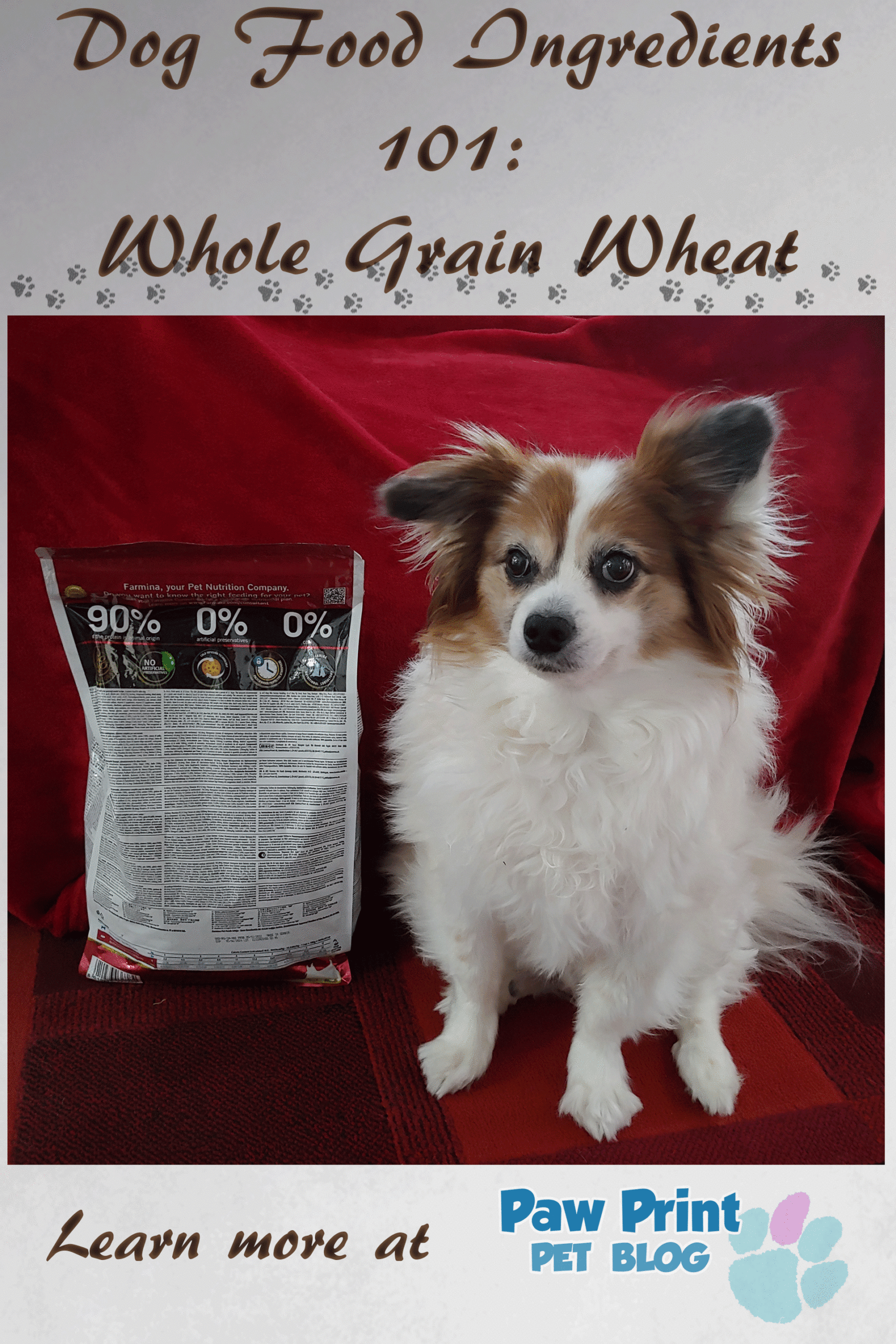
dog food whole grain wheat

Why is Whole Grain Wheat Added to Dog Food?

Grains such as wheat are normally added to dog food as fillers.  Although they can provide some vitamins, minerals, and other nutrients, they are utilized mostly for their fiber content.  Eating foods high in fiber will help your dog’s GI tract function properly.  It also helps your dog feel full.

Cons of Feeding Whole Grain Wheat to Dogs:

Wheat, whether it’s whole grain or not, is one of the top food allergens for dogs.  Signs that your dog is suffering from a food allergy can include things like GI issues, reoccurring ear infections, swelling especially of the face, red, itchy skin, hair loss, and hives.

Wheat is also a crop that is often heavily treated with chemicals such as pesticides.  Wheat also contains gluten, so cannot be fed to dogs with gluten intolerance.

Benefits of Whole Grain Wheat for Dogs:

Because it contains more of the seed, whole grain wheat has benefits over refined wheat.  Besides dietary fiber, whole grain wheat includes things like fats, fatty acids, vitamins, minerals, and antioxidants.

So What’s the Verdict on whole grain wheat?  Is it Safe as a Dog Food Ingredient?

Whole grain wheat is dog safe as long as your dog does not develop a wheat allergy or gluten intolerance.  Including the whole wheat grain in dog foods offers more nutrients than using refined wheat.  Organic whole grain wheat will have the added benefits of being free from chemical pesticides.

Comment below!  Do you feed your dog a grain free or grain inclusive diet?  Does your dog’s food contain whole grain wheat?

whole grain wheat dog food
We’ve, unfortunately, been dealing with content scrapers stealing our articles lately. You shouldn’t be seeing this article on any site other than pawprintpetblog.comOpens in a new tab.! If you’re reading this article on any other site, we’d love for you to take the time to contact usOpens in a new tab. and let us know and, if you have the time, stop by and visit us on our official site! Thanks you.
Dog Food Ingredients 101: Vitamin A


#AtoZChallenge 2023 letter VHave you ever looked at the back of your dog’s food bag, seen the list of all the vitamin supplements added to the food, and wondered what each is for?  Selecting the right dog food for our furry best friends can sometimes be overwhelming.  I’m hoping that with some of my posts for this year’s April Blogging from A to Z Challenge, I can help take the mystery out of some of the ingredients added to dog foods.  Knowledge is power and half the battle when it comes to selecting healthy, well-balanced food for our dogs.

This post is part of our 2023 April blogging from A to Z Challenge!Opens in a new tab.  Join us this month as we go through the alphabet, A to Z, learning more about some of the ingredients that are commonly (or not so commonly, in some cases) found in our dog’s food!

What is Vitamin A?

Vitamin A is a fat-soluble vitamin that is important for many functions within the body.  It is stored by the body in the liver.  Vitamin A, among other jobs, helps to support the growth and development of embryos, maintains the immune system, and supports healthy vision.

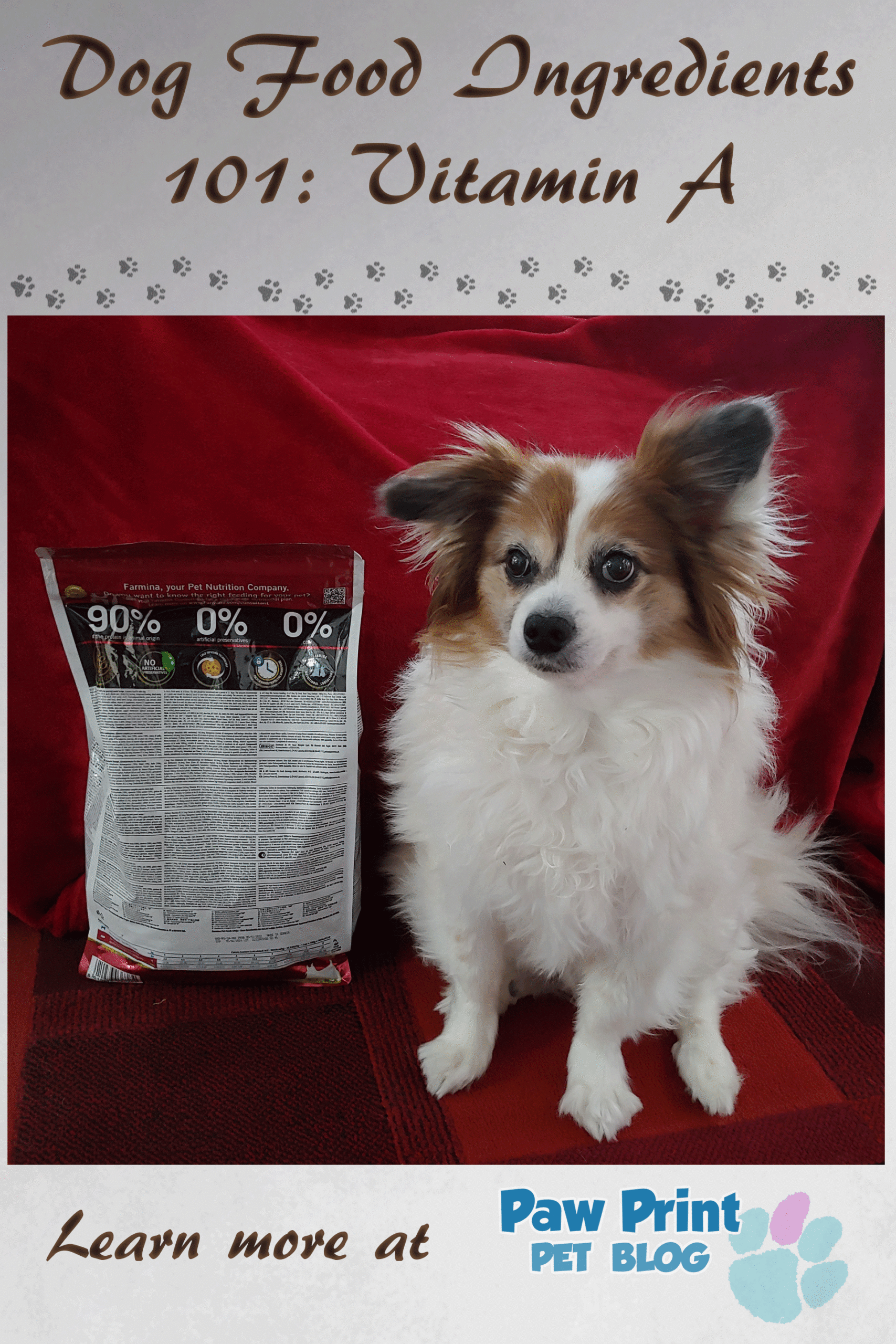
dog food Vitamin AWhy is Vitamin A Added to Dog Food?

AAFCO, The Association of American Feed Control Officials, recommend that adult dogs consume 5000 IU of Vitamin A for every kilogram of food they consume.  Although vitamin A is found naturally in foods such as egg yolks, liver, carrots, and sweet potatoes, pet food companies also commonly add supplemental vitamin A to boost the amounts in their food.

Cons of Feeding Vitamin A to Dogs:

The amounts of supplemental vitamin A added to dog food will be balanced and safe for your dog.  However, because vitamin A is a fat-soluble vitamin it is possible for dogs to overdose on it.  Vitamin A toxicity in dogs is rare, and usually occurs when a dog is consuming too much vitamin A over a course of time, such as multiple weeks.  Symptoms of vitamin A toxicity can include lethargy, nausea, weakness, anorexia, tremors, convulsions, paralysis, and sometimes death.

Thankfully, you don’t have to worry about vitamin A toxicity if you’re feeding your dog a well balanced commercial diet.  It rarely occurs in dogs consuming unbalanced raw diets (vitamin A is found in liver, and in especially high levels in bear liver) and large amounts of fish oil.

Benefits of Vitamin A for Dogs:

Dog’s bodies require vitamin A to function properly.  It’s especially important for pregnant females, as it plays a key role in embryo development.  In young puppies, vitamin A is important for the proper continued development of bones, muscles, skin and coat, and for the nervous system.

Vision, especially night vision has been shown to be dependent on vitamin A.  A common sign of vitamin A deficiency is night blindness.  Vitamin A is also important for the immune system.  It is involved with the creation of white blood cells, which help the body to fight off infections.

So What’s the Verdict on Vitamin A?  Is it Safe as a Dog Food Ingredient?

Dogs require vitamin A as part of a healthy, well balanced diet.  Vitamin A deficiency causes, in minor occurrences, skin and fur issues.  However these issues can progress to lesions on the skin, skin and ear infections, dry eyes and other issues with mucus membranes such as within the lungs, weakness, anorexia, poor vision or night blindness.  Because vitamin A is naturally found in foods and supplemented in commercial foods, as well as stored within the liver, deficiency is rare.

Vitamin A is a safe dog food ingredient.  Many commercial pet food companies add supplemental vitamin A into their foods to reach the daily recommended amounts.

Comment below!  Does your dog’s food contain supplemental vitamin A?

vitamin A dog food

We’ve, unfortunately, been dealing with content scrapers stealing our articles lately. You shouldn’t be seeing this article on any site other than pawprintpetblog.comOpens in a new tab.! If you’re reading this article on any other site, we’d love for you to take the time to contact usOpens in a new tab. and let us know and, if you have the time, stop by and visit us on our official site! Thanks you.

Dog Food Ingredients 101: USDA Organic Ingredients


#AtoZChallenge 2023 letter U This year’s April Blogging from A to Z Challenge is winding down.  This week is the last week of the challenge!  As much as I love blogging, I have to admit that I’m starting to feel burnt out.  This time of the year is always especially busy for me.  Today I’m feeling especially unmotivated, especially thanks to the fact that I was having a hard time finding a dog food ingredient that starts with today’s letter, “U”.  So today I’m going to cut myself a bit of slack and break from the formula I’ve been using in my other challenge posts.  Today I’m going to write about what it means for dog food to be USDA certified organic.

This post is part of our 2023 April blogging from A to Z Challenge!Opens in a new tab.  Join us this month as we go through the alphabet, A to Z, learning more about some of the ingredients that are commonly (or not so commonly, in some cases) found in our dog’s food!

What Does it Mean for Dog Food to Be USDA Organic?

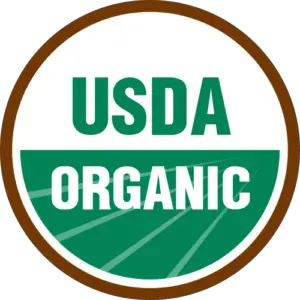
USDA organic dog foodHave you ever purchased food for your dog and noticed the USDA organic seal on the bag?  Maybe you bought the food for other reasons, and it just happens to be organic.  Or maybe you specifically selected it because it was certified organic.  But what does it actually mean for dog food to be certified organic?
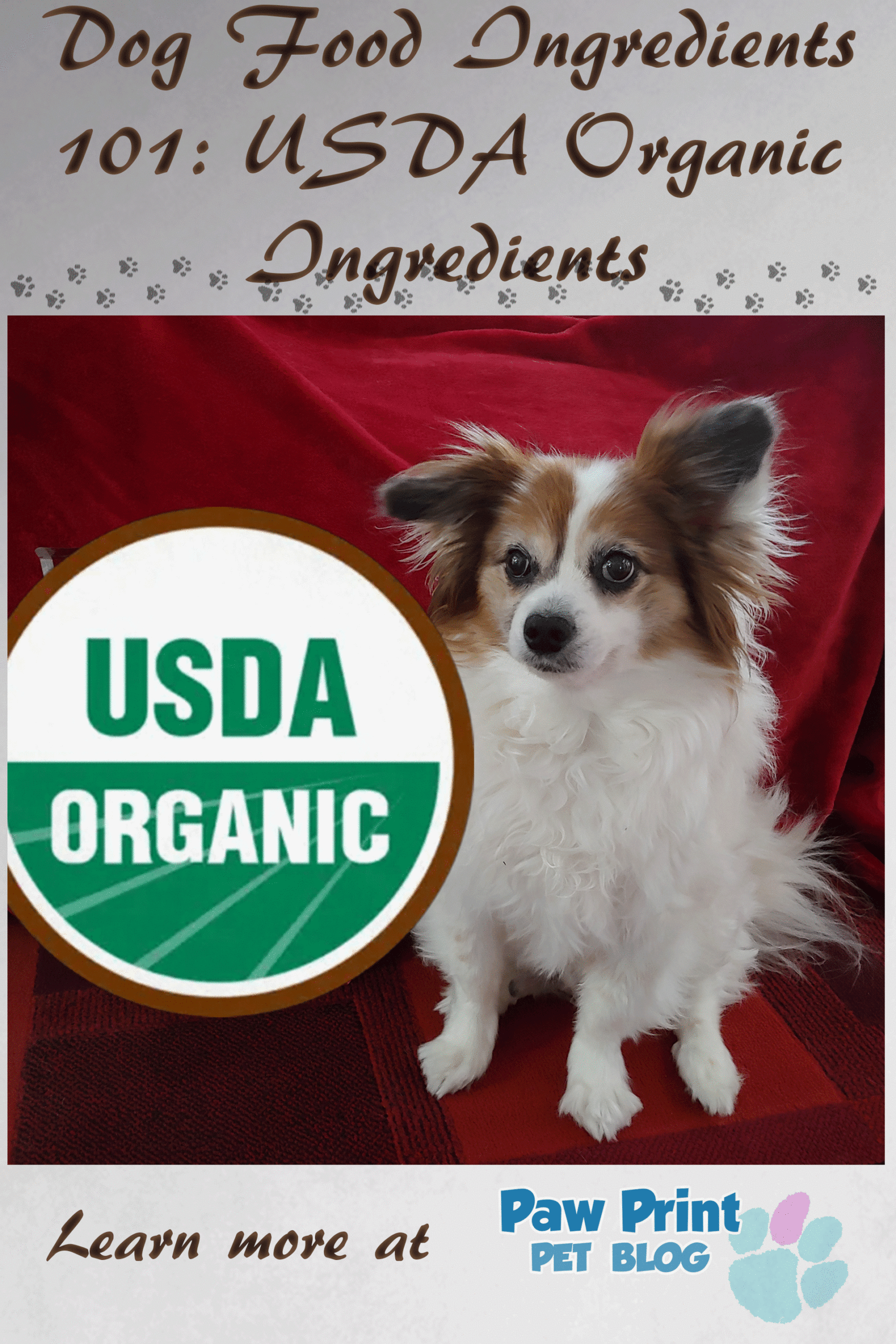
Interestingly, the USDA does not currently have specific standards for labeling pet foods as organic.  Instead, to be certified as USDA organic, pet foods must meet the same standards of certification that organic foods for humans are subjected to.  So if your dog’s food has the USDA organic seal, it means that it meets the same requirements set forth by the USDA for organic human foods.

For dog food to be labeled as organic, at least 95% of the ingredients used to make it must be organic.  The pet food company creating the food must also be overseen by an authorized certifying agent,  and they cannot use prohibited methods to create their products, such as genetic engineering, synthetic pesticides and fertilizers, or antibiotics and hormones for livestock.

USDA Organic dog food

When it Comes to Organic, It Doesn’t Have to Be All or Nothing

Some pet foods can contain organic ingredients without meeting the standards for the food itself to be certified as organic.  In that case, you won’t see the USDA Organic seal on the dog food bag, but the labeling might mention that the food contains organic ingredients.

Is Organic Dog Food Better?

There are not a ton of dog foods that have been certified USDA Organic.  If your dog’s food is not organic, but it works well for him/her, then that’s perfectly fine.  Generally, organic foods are thought to contain less potentially harmful chemicals.  However, lots of dog foods have been studied and found to be safe and fully balanced for dogs.  Organic dog foods are often priced higher than other brands, which can understandably be a concern.  At the end of the day you have to find the dog food that’s right for your dog, your budget, and your situation.  That may or may not be an organic dog food, and that’s ok.

USDA Organic Dog Food

We’ve, unfortunately, been dealing with content scrapers stealing our articles lately. You shouldn’t be seeing this article on any site other than pawprintpetblog.comOpens in a new tab.! If you’re reading this article on any other site, we’d love for you to take the time to contact usOpens in a new tab. and let us know and, if you have the time, stop by and visit us on our official site! Thanks you.