
 Can pets eat iceberg lettuce? If you have something like a reptile, or a rabbit, you might know that it’s best practice to avoid iceberg lettuce. I used to keep house rabbits, and iceberg lettuce is one green you’ll want to keep off your rabbit’s plate. That’s because iceberg lettuce is not very nutrient dense, especially when compared to other types of greens – it’s mostly water! It’s about 96% water, to be exact.
A lot of animals, like herbivorous reptiles, seem to enjoy the taste of iceberg lettuce. If they eat too much of it, it’s usually at the cost of not eating enough of their healthier greens. Not only does filling up on iceberg lettuce mean that your pet isn’t getting very many nutrients, but the high water content in iceberg lettuce can cause GI issues in some pets too.

OK, But What About Dogs? Can They Eat Iceberg Lettuce?
Iceberg lettuce is not toxic to dogs, and it’s safe for them to eat! In moderation, of course. Like I mentioned above, in relation to other types of pets, too much iceberg lettuce can also cause GI upset in dogs too. However, unlike the other types of pets mentioned, I think it might be somewhat rare for a dog to want to eat enough lettuce that it upsets their stomach. Even Kitsune, my epic foodie, gets bored with iceberg lettuce pretty quickly. He’ll eat a bit of it, but doesn’t seem interested in gorging himself on it, like he would with other foods.

Are There Any Benefits To Feeding Dogs Iceberg Lettuce?
 Although, like previously mentioned, iceberg lettuce is 96% water, it does contain some beneficial nutrients. It contains vitamins C, A (beta-carotene), and K. It also contains small amounts of calcium, folate, and potassium.
Iceberg lettuce is also a good source of fiber (we all know what that’s good for). Because it is mostly water, it’s a low calorie snack. While it shouldn’t, of course, be offered instead of a bowl of fresh water, it may help offer a bit of extra hydration on a hot day.
The chlorophyll in iceberg lettuce is thought to provide some benefits to dogs. According to Dogs Naturally Magazine , “the structure of chlorophyll is almost identical to hemoglobin. Hemoglobin is a component in your dog’s red blood cells. It helps carry oxygen to all your dog’s organs and cells. The difference between hemoglobin and chlorophyll is only one atom … So when your dog eats chlorophyll, it replenishes his red blood cells.” Chlorophyll can also help fight infections, boost the immune system, heal wounds, and detox the body, among other benefits.
In fact, some experts believe that dogs may, at least in part, eat grass in order to get chlorophyll. Which brings me to my next point…
Do Dogs Like Iceberg Lettuce?
 My papillon, Kitsune, is a grazer. He really likes to eat grass. My Alaskan Klee Kai, Fenrir, only ever eats grass when his stomach is bothering him. In both cases, I try not to let my dogs eat too much grass out of our yard. I don’t spray it with any chemicals. But we have a lot of wildlife that frequents our property. I worry about potential pathogens that could be transmitted if my dogs eat grass that was visited by local critters.
I’ve noticed, with both of my dogs, that when they seem to be craving grass, a bit of iceberg lettuce seems to sate their appetites for something green!
It even seems to help settle Fen’s upset stomach, and it doesn’t take a lot of lettuce to help him, either. Both my dogs will eat iceberg lettuce, especially so when/if they are craving grass. But just as often, if I drop a lettuce leaf, Fen will have fun tearing it up all over the floor without eating it. Kitsune almost always eats it, although sometimes somewhat reluctantly. I wouldn’t say it’s a favorite of either of my dogs, by any means, but they will both eat it.
Looking for more ideas for healthy “human” foods you can share with your dog? Check out my other blogging from A to Z challenge posts!
What do you think? If you have a dog, has he/she ever tried iceberg lettuce? Did they like it? Have you ever tried offering your dogs other types of green foods when he/she was craving grass?

 I’m a big fan of anything sweet, honey included. In our town, we have an awesome farmer’s market that is frequented by an
  One of the reasons I really like offering Kitsune honey is because he, like me, suffers from seasonal allergies. Locally sourced raw honey contains pollen from local plants. By eating these pollen spores, you are potentially exposing yourself to the same types of spores that cause you to feel so miserable during allergy season. Eating local honey works much the same way as allergy shots – exposing yourself to small amounts of allergens to desensitize your immune system to the cause of your allergies.
 But remember not to give raw honey to puppies, and only give it to adult dogs in moderation. Kitsune’s vet recommended we offer a half of a teaspoon of raw honey to Kit a day to combat his seasonal allergies. Too much honey can cause GI upset. It’s also very calorie dense, so care should be taken when feeding it to a pet who needs to lose weight. If your pet has any health issues, talk to your vet before introducing any new foods.
 Because green beans can be awesome, low calorie, nutrient packed snacks for dogs! Both of my dogs –
  The lazy person in me loves the fact that green beans can be fed plain, fresh, frozen, or canned. If you opt for canned green beans, make sure they are plain, IE that they don’t contain any added salt. As humans, most of us probably appreciate a little seasoning on our green beans, but dogs should eat them plain.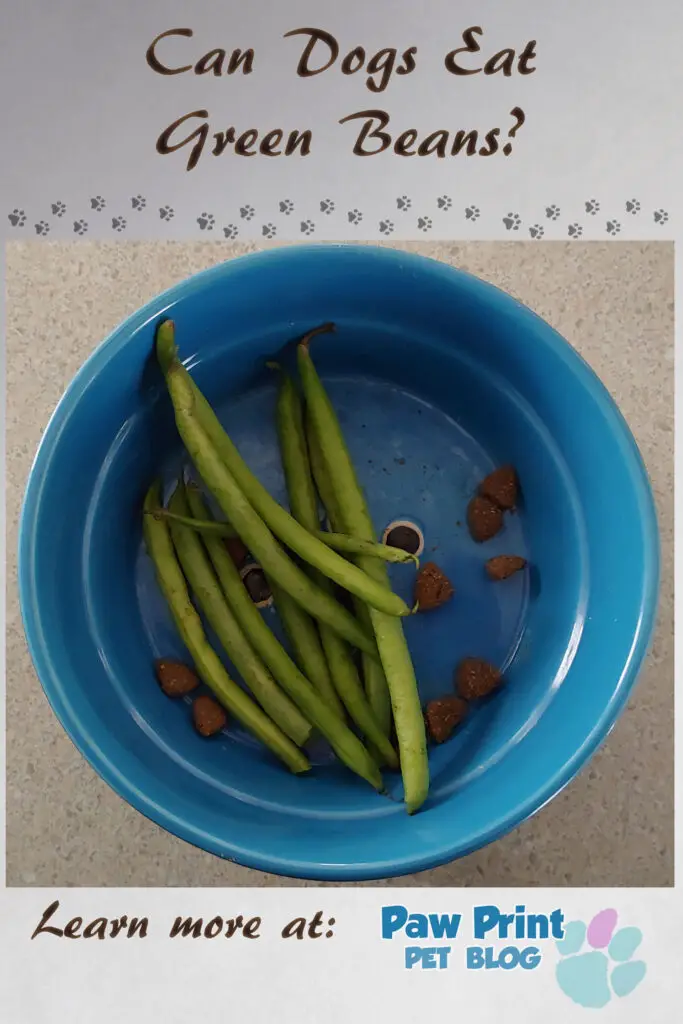
 But my dogs both love fish! Luckily, the humans here are willing to put up with stinky doggy breath so that the boys can enjoy their tasty fishy snacks. Fish is a great food option for my personal dogs.
  Omega-3 fatty acids! Need I say more? Maybe not, but I type a lot! Omega-3 fatty acids, such as DHA and EPA, benefit dogs in a number of ways. The most important way, in my opinion at least, is that they are great for your dog’s joints and can help improve mobility.
 Don’t put all your eggs in one basket…especially when you live with a mischievous puppy!
 If you feed eggshells, they are a great source of calcium. The insides of eggs are full of protein, selenium, riboflavin, vitamin A, vitamin B12, Iron, selenium, and fatty acids. Eggs are often touted for being beneficial for dog’s skin and coats.
 I’ve always had a “thing” for dragons. They’re awesome! While dragon decor graces many of the rooms of my house, dragon fruit has never before graced my kitchen! Although I had heard of dragon fruits before, for most of my life I had never actually seen one in person. They’re apparently not very common in the areas where I’ve lived. Last year, I bought a dragon fruit plant, which I was pretty excited about. But I (stupidly) put the pot on the floor under a window. Fenrir promptly used it as a step stool to get a better view out the window.
 It turns out, dragon fruit is safe for dogs!
  A food can be the healthiest thing in the world, but it isn’t going to do your dog any good if he/she refuses to eat it!