 Oats Are For Goats, But Dogs Like Them Too!
Have I ever mentioned here that I really want to keep goats someday? Gotta save up to buy that farm!
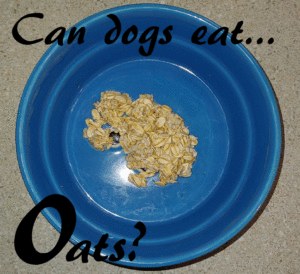
I guess dogs probably aren’t the first animal that comes to mind when you think about feeding oats. But oatmeal is often used as a filler in commercial dog foods. It is, of course, a grain. There’s been a lot of back and forth about whether feeding dogs grains is a good thing, or bad. Grains can be a common allergen for pet dogs. Of course, if your dog is allergic to oats, or otherwise doesn’t tolerate them well, you should avoid them!
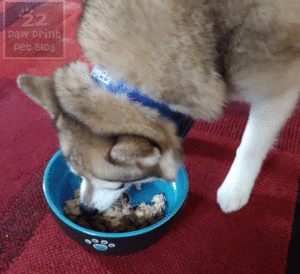
Although my older dog, Kitsune, does suffer from food allergies, he is not allergic to grains. Oatmeal is one grain that I occasionally include in my dogs’ home cooked food. I also often use it as an ingredient in home made dog treats. I’ve found that dry oatmeal can be ground (I put it in our blender) and used in place of flour in dog treat recipes.


What are the Benefits of Feeding Oatmeal?
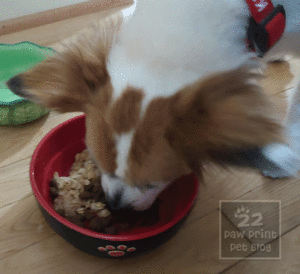 The main benefit of feeding oats seems to be that they are high in fiber. This can be particularly useful to dogs suffering from…bathroom issues. I’ve mentioned before that Kitsune has a really sensitive stomach. Feeding him high fiber foods often seems to help him when he’s experiencing bouts of GI upset.
Many dogs seem to enjoy the taste of oats, and they are relatively low in calories. I mentioned that they are often used as a filler in commercial dog foods. If you have an overweight dog, adding plain, cooked oatmeal to their food can help your dog feel full without adding a lot of extra calories.
In humans, oatmeal is touted for helping to reduce high blood pressure, artery clogging, and for improving the immune system. I’m unaware of any studies done to test whether the same holds true for dogs, but it makes sense that it could.
Oats also contain nutrients like B and E vitamins, magnesium, and zinc. Not all dogs with grain allergies will be allergic to all grains. Dogs that cannot eat wheat, soy, or corn products sometimes can eat oats.
 Any Precautions?
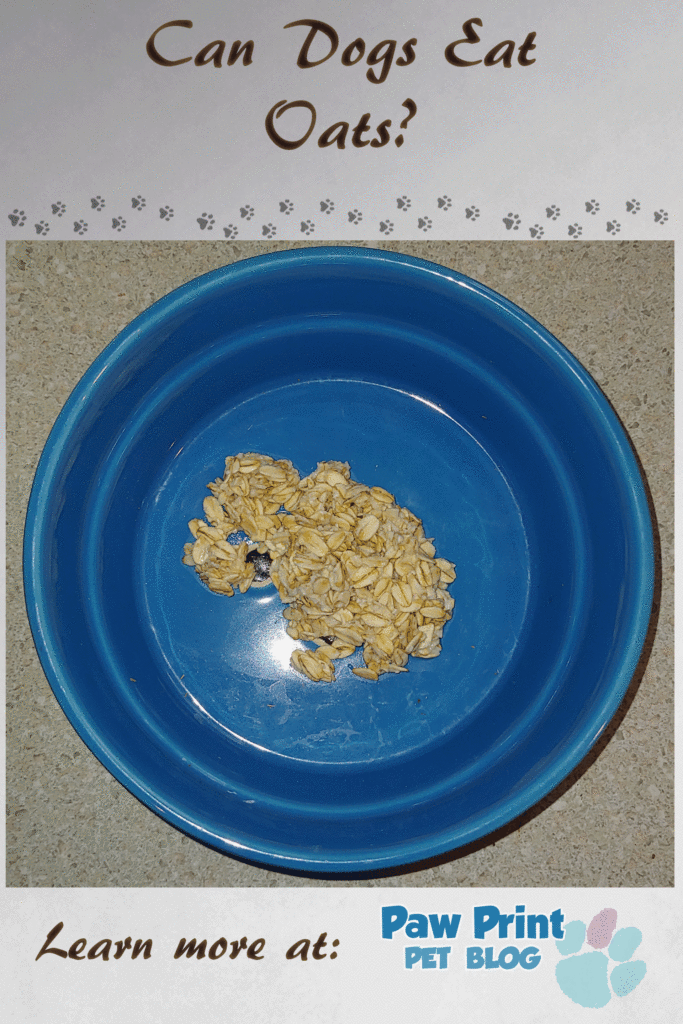
I often enjoy a bowl of oatmeal for breakfast myself, but I put way too much sugar in mine to be able to share it with my dogs. When buying oatmeal for dogs, look for plain oats. Prepackaged flavored oatmeal for humans is often full of sugars and artificial flavors that wouldn’t be good for dogs. You can flavor your dog’s oatmeal with dog safe ingredients if you want to, but stay away from the sugar.
Does your dog like oatmeal? How do you feed it?
Looking for more ideas for healthy “human” foods you can share with your dog? Check out my other blogging from A to Z challenge posts !
!
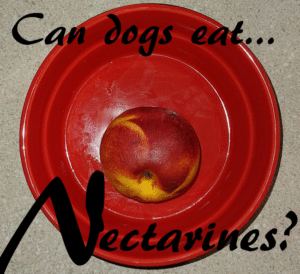 Nectarines are one of my partner’s favorite fruits. Because of that, we often have them in the house. Even if a food isn’t something I give my dogs to snack on on a regular basis, I like to know whether or not foods are dog safe. You never know when a pieces of food will get dropped, or fall, onto the floor. And, as we joke about in our house, if it touches the floor it’s yours no more! It’s
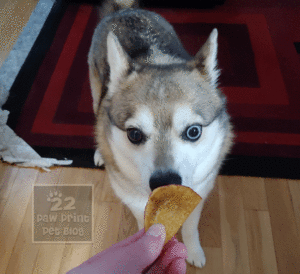
 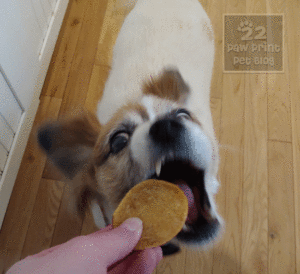 To answer that question for you, dear readers, I had to go out and buy some nectarines. I’m sure Kitsune has probably tried some before, but I couldn’t remember a particular time I let him try any. And I couldn’t remember whether he liked it or not. I should have know, this is Kitsune we’re talking about after all, that he’d like it.
 Say it with me – feed nectarines to dogs in moderation only. I wouldn’t personally give my own dogs more than a slice or two of this sweet fruit as a treat/snack. Nectarines are so delicious because they’re high in natural sugar, which isn’t ideal for dogs in large amounts, especially so if they have any health conditions or are overweight. Feeding too many pieces of nectarines could lead to GI upset in dogs.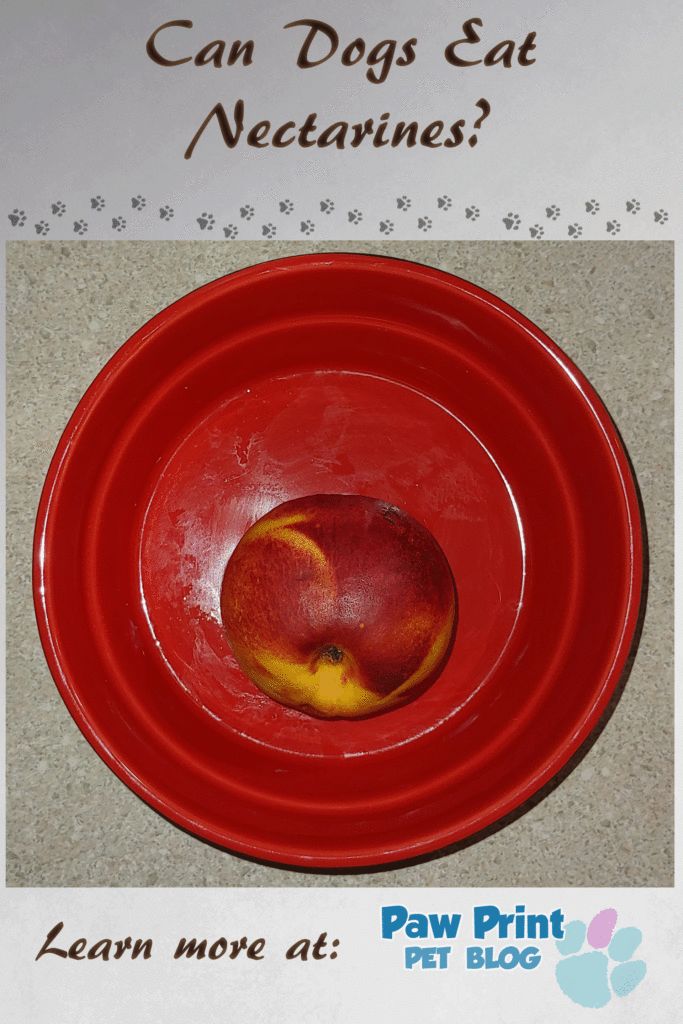
 When I was a kid my family had a cocker spaniel. She ate kibble, but my dad also used to give her an array of raw bones to chew. I remember raw marrow bones were one of her favorite treats. She would spend hours working on them, trying to figure out how to get all of the coveted marrow out. There are health benefits to feeding dogs marrow, but when I got older and had dogs of my own (ha) I learned that there are also potential dangers associated with feeding raw marrow bones.
 Bone broth is, basically, soup stock that’s made by allowing bones to simmer in water for long periods of time. Adding vinegar (I use apple cider vinegar) helps draw nutrients from the bones. I use our slow cooker to make bone broth, and almost always include at least one beef marrow bone, although other types of bones can be used as well. When your broth is done, make sure to strain out the bones and only offer your dog the liquid/jelly (bone broth has a gelatin like consistency after it cools).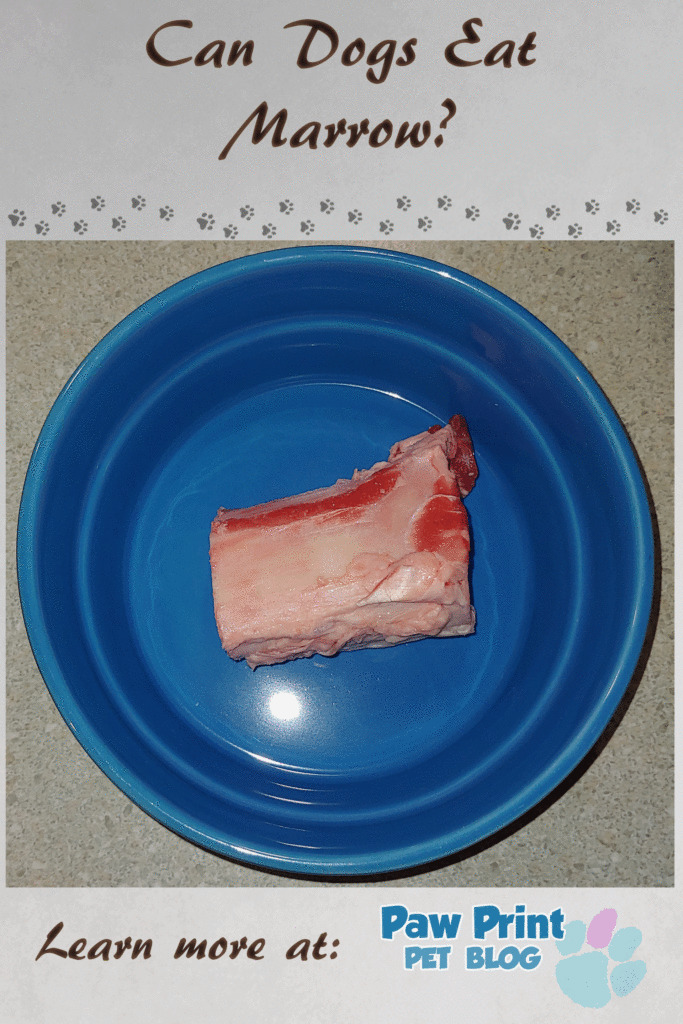
 But I’m just a human, so my opinion doesn’t matter (much) here!
 Raw feeders normally recommend that a dog’s diet be made up of only about 5% liver. Although it does have many amazing health benefits, you always want to feed liver in moderation. Too much liver in the diet can lead to an overdose of vitamin A, which can wreak havoc with your dog’s bones, digestive system, and muscles.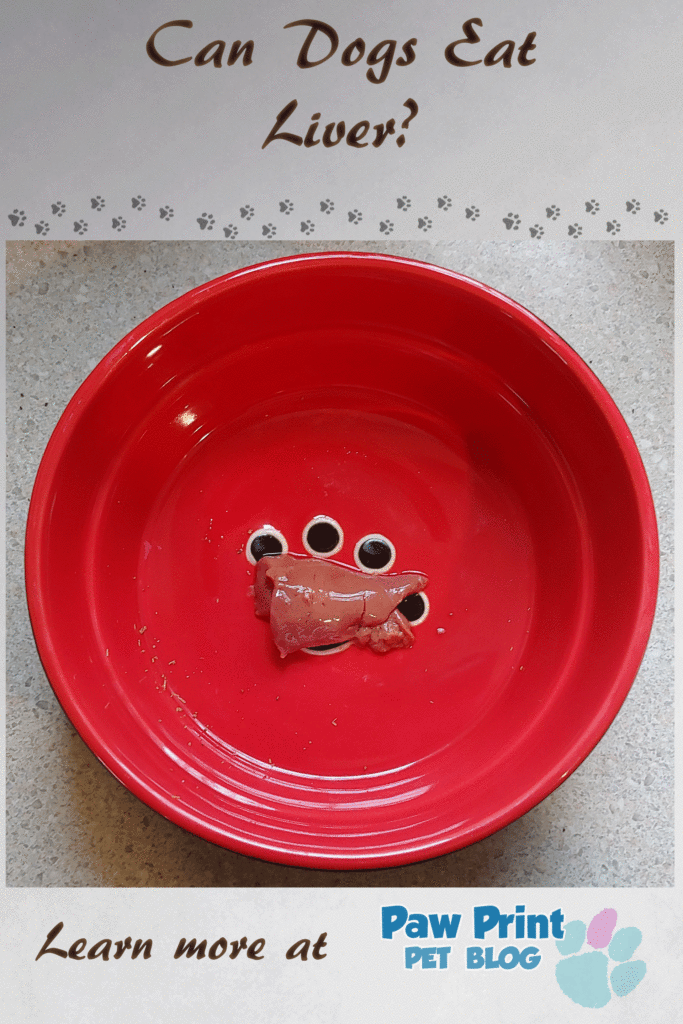
 I’ve been making milk kefir for my dogs for years now! Milk kefir is a probiotic packed drink that is made from cultured/fermented milk. Think yogurt, only with even more probiotic goodness, and a thinner consistency.
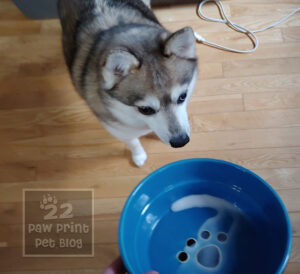 Think of kefir like you would yogurt – only it’s better! Kefir contains more live strains of beneficial bacteria/yeasts than yogurt does. The strains of bacteria/yeast found in kefir can colonize the digestive tract.
 It sounds gross, right? I wasn’t crazy about the idea of fermenting milk in my kitchen when I first started our kefir journey. It doesn’t smell bad, which is one thing I was concerned about. Both my dogs will readily drink it – Fenrir especially enjoys it. The longer you leave it to ferment, the stronger the flavor. I’ve found that my dogs personally seem to enjoy lightly fermented kefir. If I forget about it and accidentally over ferment it, they usually don’t like it as much.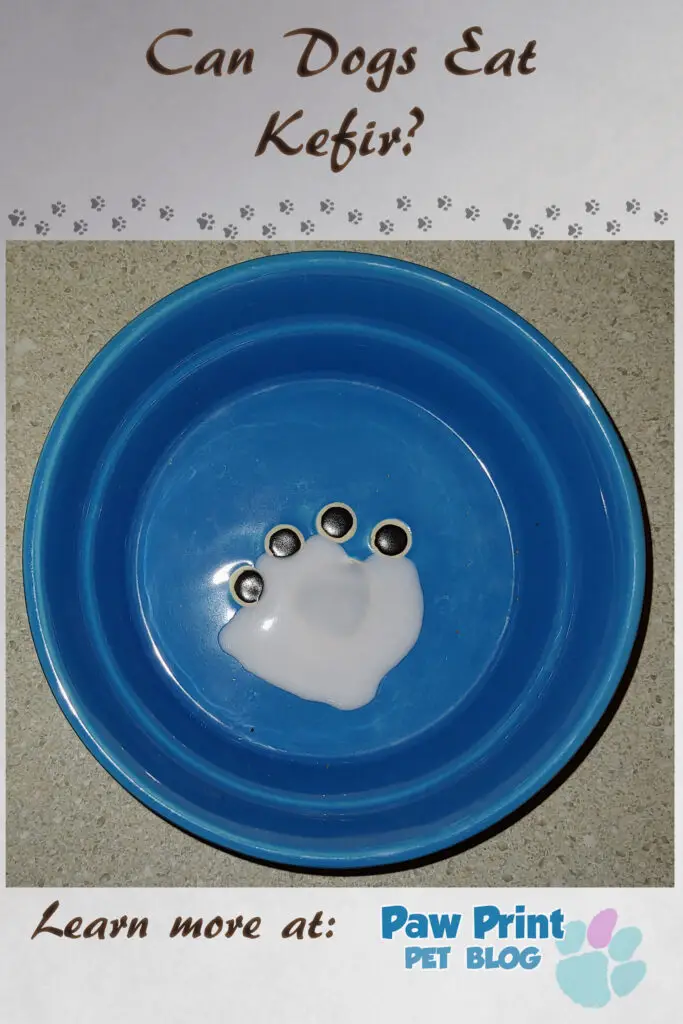
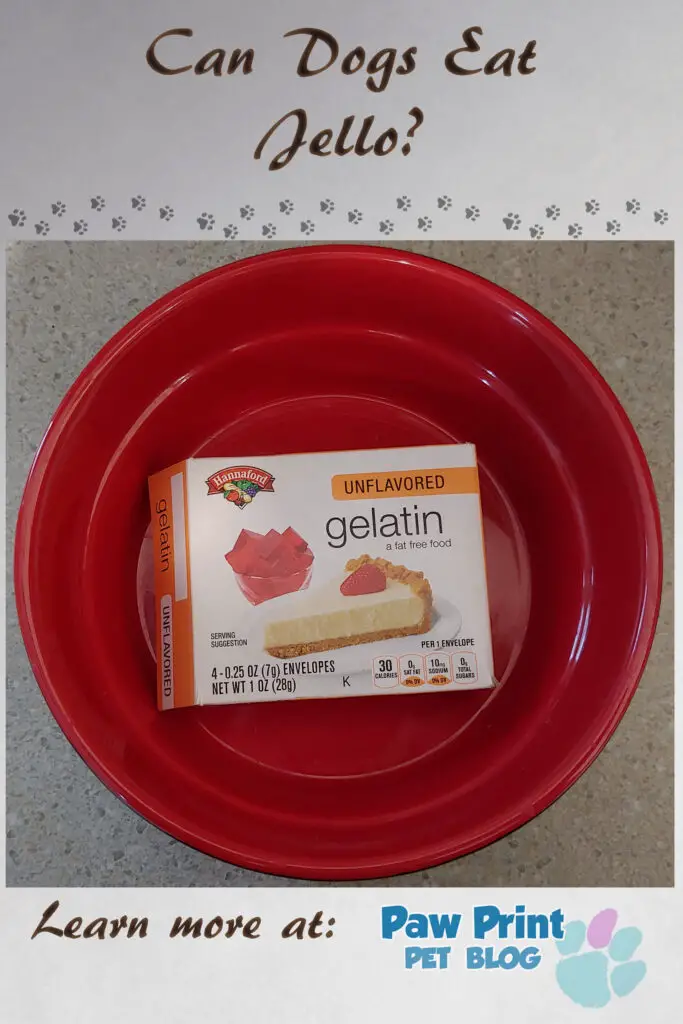
 I’m not recommending that you feed your dog Jello treats made/sold for humans! Jello treats for humans commonly contains added sugar and other ingredients that wouldn’t be good for your four legged friend. But you can buy unflavored gelatin, which is dog safe, that can be flavored with natural ingredients, and is beneficial to dogs with joint issues.
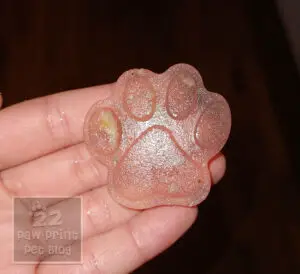 I occasionally offer my dogs,
  Not only is gelatin safe for dogs, but it actually provides some health benefits. I’ve mentioned before that Kitsune has some (so far minor) joint issues. We supplement his diet with things like
  After learning all this, I started offering Kitsune gelatin treats more often. “Jello” treats for dogs are really easy to make. If you don’t want to make treats, but want your dog to get the benefits of eating gelatin, you can sprinkle powdered gelatin directly over your dog’s regular food.