Recent Posts

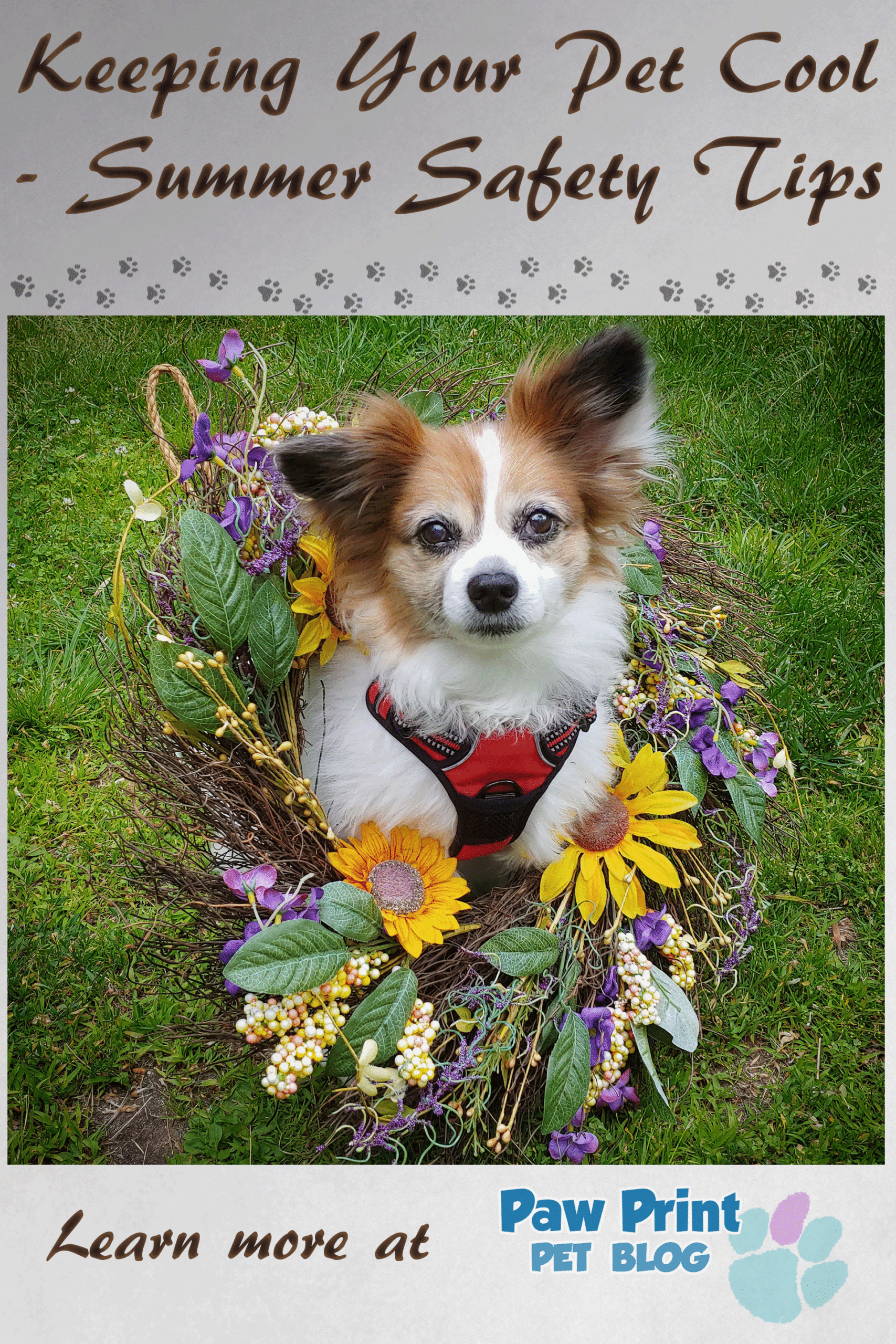
Keeping Your Pet Cool – Summer Safety Tips


Pet summer safety tips!  When we moved a few years ago, we headed north.  The weather where we live now is generally cooler than where we were before (and a LOT less humid too).  Despite the cooler weather, we’ve suffered through a handful of heat waves.  Last week we had two days that got up to around 95*F.  Our local newscaster kept describing the weather as feeling like wearing a “wet sweater”, aka it was humid and hot – my least favorite weather.

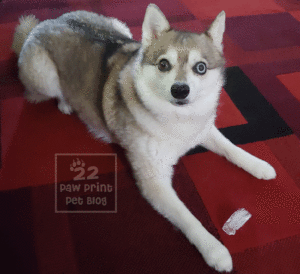
pet Summer Safety TipsKit and Fen are not fans of the heat either!  It’s important to remember that the hot temperatures can affect our pets just as much, if not more, as it does us.  But how hot is too hot?  The answer, of course, depends on what type of pet is in question, as well as your individual pet’s heat tolerance.

It’s important to learn what temperature range is optimal for each of your pets.  Research temperature ideals for your type of pet, but also pay attention to your pet’s individual needs.  Learn to recognize signs of discomfort due to increased body temperature, such as excessive panting and drooling in dogs.  Make sure your pets have access to cool, shady areas and fresh water at all times.

Some heat related issues in pets include sunburn (yes, animals can get sunburns), hyperthermia, dehydration, and heat stroke.  The symptoms of heat related illness will vary depending on what species your pet is.  Prevention is always the best option when it comes to heat related illnesses.  The following pet safety tips will help you to keep your furry friends more comfortable this summer…

  1. If your pet requires or enjoys exercise, try to limit excessive activity to the cooler times of the day – usually early in the morning and later in the evening.
  2. Limit sun exposure, especially for pets with little or no fur, to protect them from the sun’s rays.
  3. Make sure your pet always has access to fresh, cool water.
  4. Never leave your pet in a carOpens in a new tab., or other wise confined to small areas, where they can quickly overheat.
  5. Be mindful of your pets’ paws in the hot weather.  Pavement and other outdoor surfaces can get very hot in the summer sun, putting sensitive paws at risk of being burned.
  6. Know your pets’ limitations.  Certain breeds/species come with more summer time risks than others.  Hairless breeds are much more susceptible to sunburn, and heavily furred northern breeds, like my Fenrir, may not tolerate high temperatures as well as other breeds.  Cat and dog breeds with flat faces are more prone to suffering from heat related illnesses as well.
    pet Summer Safety Tips

Fingers and paws crossed that the rest of the summer goes by without too many days of extreme temperatures.  I feel like Fen has been blowing his coat for weeks now.  I’m not quite sure how such a little dog looses that much hair and doesn’t just poof away to nothing.  Thankfully it stays pretty comfortable and cool inside our house, but the hot weather has been putting a damper on the frequency of our outdoor adventures.  Kit, Fen, and I are all eager to get back to our daily hiking!

Is there anything special you do for your pet to help keep him/her cool during hot weather? 

pet Summer Safety Tips

Does the Best Friends by Sheri Dog Bed Live up to the Hype? Dog Bed Review


If you’ve been at all involved in the dog world the last couple of years, especially on social media, you’ve probably come across the Best Friends by Sheri dog bed.  It’s being promoted as a calming, or antianxiety dog bed.  The Best Friends dog bed seems to be especially popular among small dog owners.  However,  it’s sold up to size 2XL, which is supposed to be suitable for dogs weighing up to 210 lbs.  If you’re anything like me, coming across a pet product with as much hype as this dog bed has generated will pique your interest.  Will your dog like it?  Does it actually live up to the hype?

Luckily, I was recently on the market for a new dog bed.

Best Friends by Sheri dog bed reviewNow that the weather has warmed up, my senior dog, KitsuneOpens in a new tab., hasn’t been wanting to sleep in bed with me as often as he does when the temperatures are cooler.  I would often wake up in the middle of the night to find him sleeping on the bedroom floor.  It always makes me feel bad!  I started to notice that after spending a night sleeping on the floor, he would seem a bit stiff.  Hey, he’s 13 after all, and I can’t imagine a hard bedroom floor is the best option for senior dog joints.

After coming across the Best Friends by Sheri dog bedOpens in a new tab. over and over again on my various social media feeds, I decided that my dogs and I would try it out for ourselves!  It wasn’t as expensive as a lot of the other high quality dog beds I was looking at.  I figured that, worst case, if it didn’t work out for my dogs, we could pass it on to a pooch waiting for a new home at our local shelter.

The 411 on the Best Friends by Sheri dog bed

The Best Friends by Sheri dog bedOpens in a new tab. currently comes in fourteen different colors, and five sizes.  In most places I found it for sale there was an option to purchase the bed alone, or the bed with a blanket.  The Best Friends pet bed is a donut style dog bed that claims to promote better sleep, a sense of security, and pain relief for sore joints and muscles.  The bed, and blanket if you decide to purchase that too, is made from a soft, faux shag fur.  It’s supposed to be water and dirt resistant, as well as easy to clean.

For my own two dogs, I decided to purchase the medium sized (30″ X 30″) bed, in the color “shag frost”.

Both of my dogs are under 25lbs, so in theory the small size would have worked for them.  I decide to go with medium instead because I wanted to give Kitsune more space to stretch out if he wanted too.  That way he wouldn’t have to curl up in a ball to fit inside the bed, because that would kind of defeat the purpose of buying him a dog bed that he’d want to sleep in during the summer heat.  I also liked that the cover on the medium bed (and all the sizes larger than medium) is removable.  The small size bed does not have a removable cover.  Instead, the small bed can be washed as-is inside a standard washing machine.

Our Thoughts

Best Friends by Sheri dog bed reviewOur Best Friends by Sheri pet bedOpens in a new tab. was delivered mid-May.  It was shipped compressed inside plastic packaging.  The bed was easy to fluff up following the instructions that came with it.  My puppers were instantly interested when it got here!  I think Fenrir, my Alaskan klee kaiOpens in a new tab., was the first to try it out.  It didn’t take Kitsune long to take a turn either!

Probably the first thing I noticed was how soft the faux fur cover is!  The color we selected was true to the picture, and the size was what I was expecting.  I really appreciate that the bed is made from pet safe materials, with no flame retardants, formaldehyde, chemicals, or harsh dyes.  A few weeks after we got it, I decided to try washing the bed cover.  I washed it in my washing machine on cold, then dried it in the drier on low heat.  It washed and dried well.

Luckily my dogs don’t have issues with having accidents in the house.  So I can’t personally speak to the bed being water resistant.  Looking at it, I have a feeling it might not be as liquid resistant as it claims to be.  I’m glad my dogs won’t be putting that feature to the test.  My dogs are also, thankfully, not destructive.  I do question how well this bed would hold up against a destructive dog.

Does the Best Friends by Sheri pet bed really help anxiety?

According to the Amazon listing, the Best Friends by Sheri pet bedOpens in a new tab. helps to calm pets by being “reminiscent of a mother’s fur coat”.  The sides of the bed are designed to “allow your pet to burrow”.  This is supposed to promote a “full, restful sleep for improved behavior and better health”.

I’m not sure how I feel about this claim.  If you’re looking at this bed because you have a dog with stress or anxiety issues, I’d very highly doubt that something as simple as a dog bed, no matter how comfortable, is going to noticeably alter their behavior.

One complaint about this bed is that I wasn’t overly impressed with the filling.

Best Friends by Sheri dog bed reviewIt’s supposed to be filled with “uniquely designed Airloft fibers” that “keep their loft for up to 3Xs longer than standard pet beds”.  But I feel like the bottom section of our new dog bed got flat pretty quickly.  I worry that it isn’t supportive enough, especially for a senior dog with more sensitive joints.

I’ve been thinking about buying some memory foam and cutting it to fit inside the bottom of the Best Friends bed.  Because the outer cover is awesome, but the filling could really use an upgrade.  I’m also not convinced that this was the best dog bed to try if I really wanted something my dogs would sleep in in the summer.  They don’t seem to use the bed as often as I thought they would.  I’m pretty sure it’s because the faux fur, while amazingly soft, might make them too hot.

In summary…

The Best Friends by Sheri pet bed has a really nice faux fur cover.  It’s stylish, soft, and easy to clean, but might not be the best option if it’s hot where you live.  While I don’t doubt that lots of dogs love this bed, I’m skeptical that it can really help to change anxiety induced behaviors.  The filler in the bed didn’t live up to my high expectations.  But, luckily, the way the bed cover is designed would make it very easy to add additional filler to make the bed more supportive.  I paid just under $50 for our medium sized bed.  In my opinion, the bed is worth this price.

A re-review in the future?
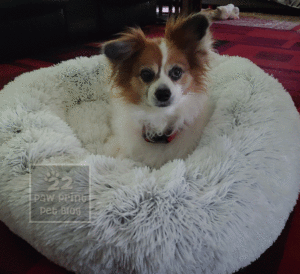
Since we received out bed in the summer, I’m curious to see if my boys perhaps start using it more once the weather starts to cool down again.  I’ll have to update this post come fall/winter.  Both Kit and Fen have used the bed so far, more so Kit.  But they haven’t been using it as much as I thought they would.  Kit will sleep in the bed some nights.   Often times still seems to still prefer the bare floor, or a blanket on the floor.

At least the color I picked matches our bedroom décor so nicely!  It doesn’t look bad or out of place, even sans dogs.

Comment below!  Have you heard of the Best Friends by Sheri pet bed?  Have you tried it with your own pets?  If so, how do they like it?

Best Friends by Sheri dog bed review


Preserving Puppy Teeth


My post about preserving puppy teeth originally went up in May of 2016!  This is an updated version, be sure to read to the end to see how my puppies’ teeth have held up after all these years!

In the scheme of things, your dog’s puppyhood is fleeting.  Teething is a rite of passage all puppies must go through.  I fully admit to being a bit sentimental when it comes to my dogs, and preserving puppy teeth that I found from each of them.  I only found one of Kit’s puppy teeth when he was teething – a canine tooth.  Most puppy teeth end up either being swallowed by your dog, or lost in your dog’s environment.  I was lucky to be able to save four of Fen’s teeth, two molars, an incisor, and a canine tooth, all of which Fen trotted over and spit out at my feet.

But what do you do with puppy teeth once you find them?

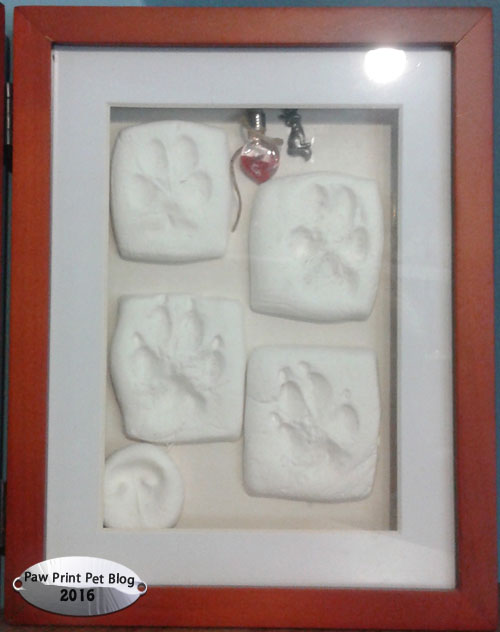
Most people probably just throw puppy teeth out, or tuck them away somewhere safe, in a jewelry or memory box perhaps, as an oddity to look at every now and then.  I have a shadow boxOpens in a new tab. where I display paw and nose molds that I took from Kit.  Somehow, I wanted to include his puppy teeth, but in a way that would also keep the teeth from getting lost since they are so small.

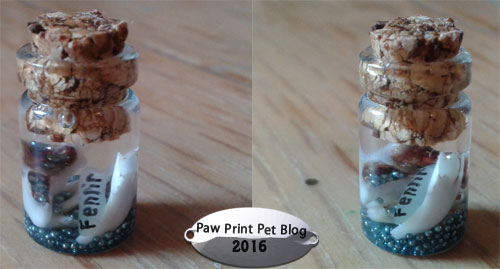
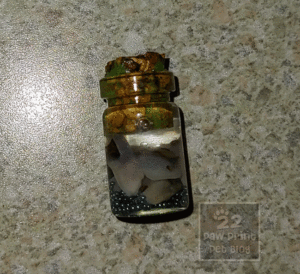
I preserved my dogs’ puppy teeth by displaying them inside a glass bottle, commonly sold for crafting or jewelry making.  The mineral oil I used inside the bottle helps to magnify the teeth.  I also included some decorative extras, such as my dogs’ names written on grains of rice and glitter.  

dog shadow box

The little bottle pictured on the top/middle holds Kit’s puppy tooth.

I also included some little red beads and his name written on a piece of rice.  Before sealing the bottle, I filled it with mineral oil.  The clear oil helps to magnify the stuff inside the bottle, and it protects the fragile tooth from hitting the side of the bottle too hard if the display is jarred.

I liked what I did with Kit’s tooth so much that I decided to do the same with Fen’s.

Preserving Puppy TeethIf you are interested in preserving your puppy’s teeth the same way, here’s what you will need:
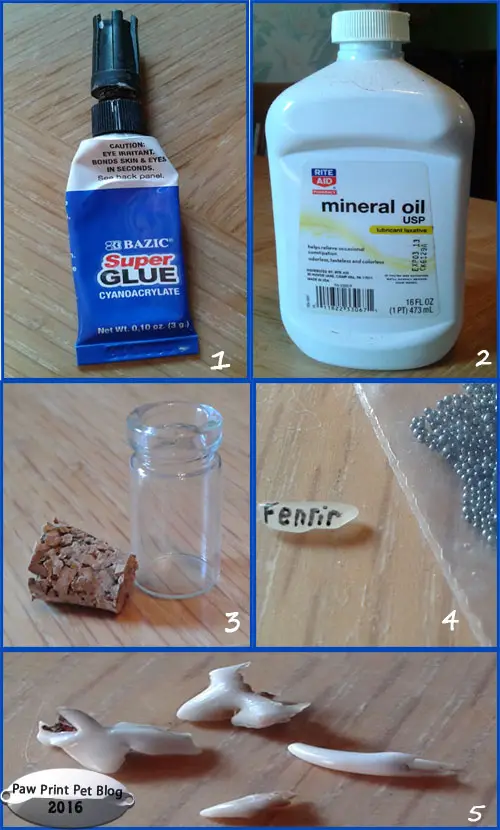
  1. Super Glue: Used to seal your bottle.  This isn’t necessary, but I use it for added security.  I like this brandOpens in a new tab., but any type of glue should work.
  2. Mineral Oil: Any brand is fine, as long as it’s clear.  I just bought this at our local pharmacy.  You only need a small amount.
  3. Glass Bottle: What bottle you use is up to you.  I prefer small  bottles since the puppy teeth I’m putting inside are small.  They’d look lost inside a big bottle!  You should be able to buy tiny glass bottles at your local craft store.  They are usually sold for creating crafts/jewelry.  I got mine off AmazonOpens in a new tab..  Online they are often sold in bulk, but even so usually aren’t very expensive.
  4. Additional Items: You don’t need to add anything extra, but I like too.  I added Fen’s name written on a piece of rice, and some tiny decorative glitter pieces.
  5. Puppy Teeth: Don’t forget these!

Once you have all your supplies the rest is easy!

Make sure your teeth are clean and dry, then put them and any addition items you want inside the bottle. Next add the mineral oil.  Don’t worry if you get oil on the outside of the bottle.  It can be hard to pour stuff into those tiny bottles, plus you can just clean it up when you’re done.  If you’d like, put a small amount of super glue around the outside of your bottle’s cork, then cork up your bottle.

Preserving Puppy Teeth

An update – 6 years later!

Preserving Puppy TeethIt’s been 6 years now since I originally posted this project.  I figured an update was long overdue!
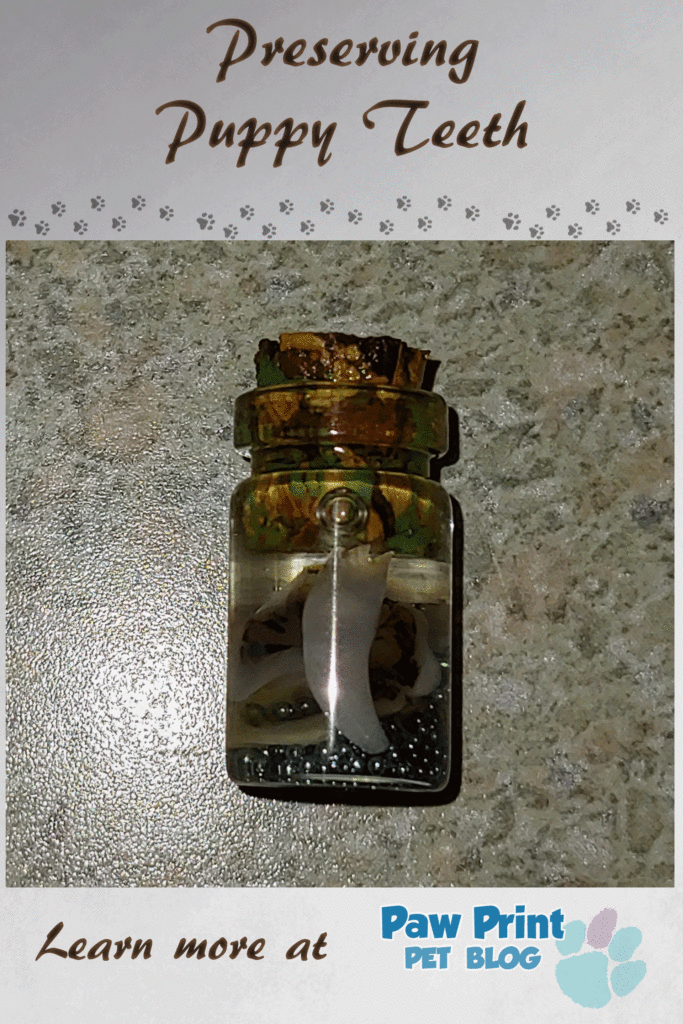
The other day I was cleaning through some of Kit and Fen’s stuff and came across their puppy shadow boxes stashed away in the back of a drawer.  Unfortunately I just don’t have the space in our current rental house to display them.  I’ve been meaning to update this post for quite awhile now, and figured some people might be interested to see how my preserving puppy teeth project has held up after all these years!

Not too long after I made this post, I discovered that the glass bottle holding FenrirOpens in a new tab.‘s puppy teeth was leaking mineral oil.  I had to open it up, add more oil, and reseal the cork.  I tried resealing it with a modeling clay, which is why you might notice some green spots on cork.  That didn’t work out, however, so I just went back to using the good ol’ fashion super glue.  I didn’t have any more issues with leaking after sealing the vial the second time.

The teeth inside seem to be holding up well!

The last two pictures in this post are recent, so after Fen’s puppy teeth have been in the mineral oil for 6ish years.  I also have one of Fenrir’s puppy canine teeth that I just taped inside his shadow box.  Less work, and that tooth has held up just fine too.  It doesn’t look as cute as the teeth in the little bottle, though!

I’ve gotten comments on this post over the years about how weird I am for preserving puppy teeth.  Weird, sure, but my puppies shadow boxes are something I’ll cherish and keep forever.  I love puppies so so much, and keeping silly mementos like this from my dogs’ puppyhoods brings back so many happy memories.  It seems like just yesterday they were sinking those sharp little puppy teeth into my feet, and now my first ‘puppy’ is almost 14!

If anyone tries this for themselves I’d love to hear/see how it went!  Comment below, or head on over to our Facebook pageOpens in a new tab. and share a picture of your puppy tooth creation!

Preserving Puppy Teeth

Hot Pavement Can Burn Pets’ Paws


Pavement Burn Paws

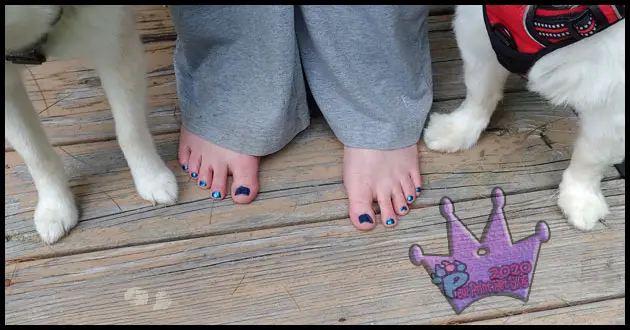
We love paws here at Paw Print!  That should be pretty obvious, considering the name of my blog!  Since we moved out of the city, I love walking around outside barefoot.  It’s given me first hand experience to just how hot some surfaces can get outside in the summer sun.  Pavement and other large, dark surfaces seem to be the worst offenders.  It’s one thing for me, a person, to walk on hot surfaces in the summer.  If the temperature is too uncomfortable I can easily move to a cooler location.  But what about our pets?

Did you know that walking on hot pavement, as well as other hot surfaces, can actually burn pets’ paws? 

Pavement Burn PawsAnimals can be stoic when it comes to showing pain, and they can’t talk to tell us that their feet hurt during hot weather walks.  It’s up to us to keep them safe!
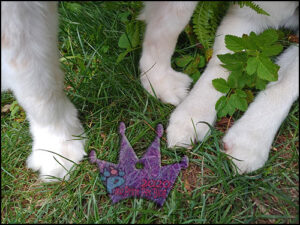
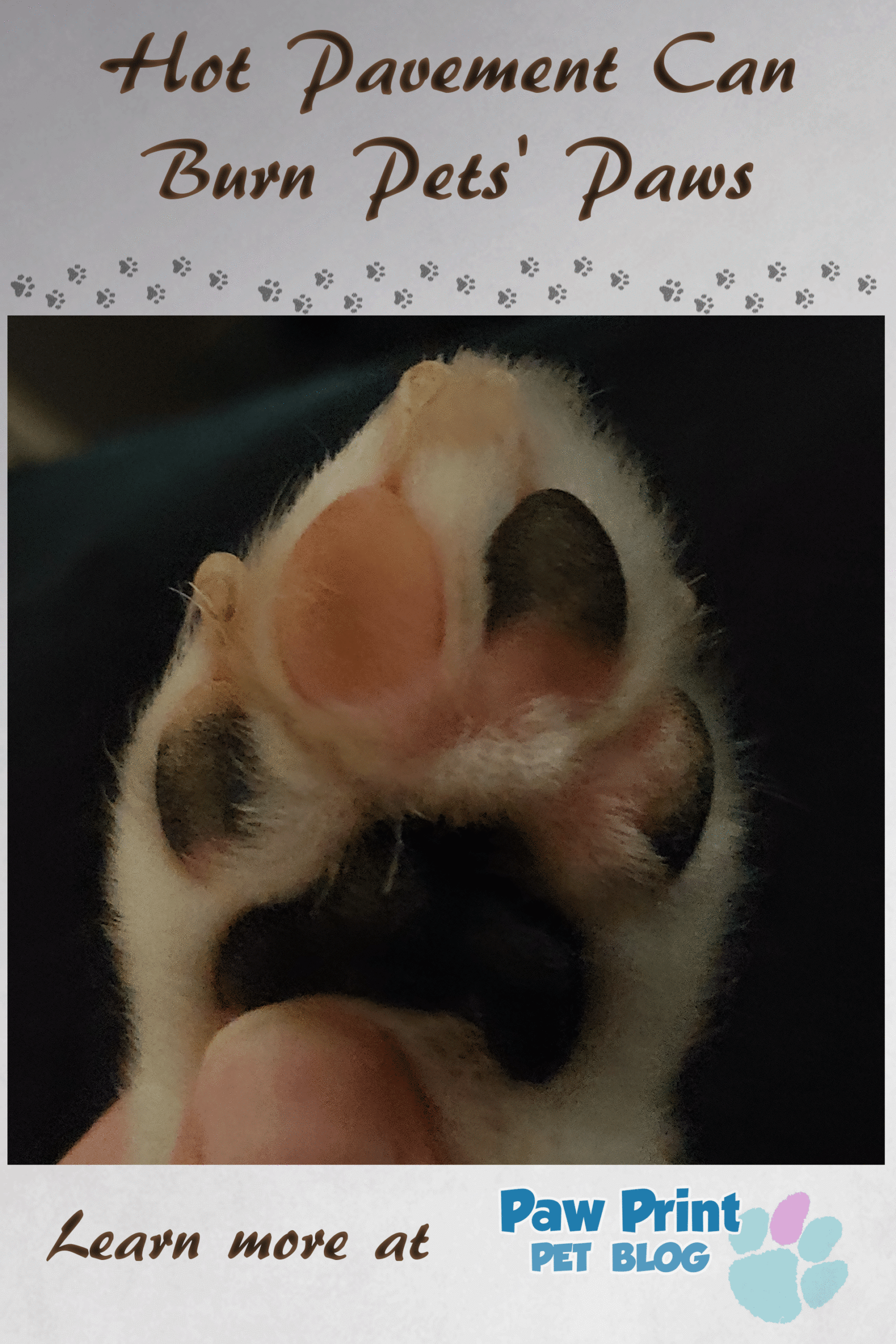
Signs of burned paw pads include paw pads that look darker than usual, redness, limping, unwillingness to continue walking, blisters, missing sections or loose flaps on the paw pad, ulcerated patches, and excessive licking or chewing of the foot.

If your dog experiences any of these symptoms, the first step should be cooling his/her paws down.  Get your pet away from hot surfaces (grass is usually much cooler than pavement) and, if possible, gently rinse his/her paws with cool water.

Burns are very painful, so the best course of action if you think your pet may have burned paws, is a trip to the veterinarian. 

Depending on how severe the burns are, your vet may prescribe antibiotics, salves, and/or pain medication.

The best option, however, is to prevent burns in the first place!

Pavement Burn Paws

Try to avoid surfaces that commonly get excessively hot in the summer, such as metal, sand, and asphalt.  When possible, walk your dog early in the morning or at night after the sun goes down – times when the outdoor temperatures are cooler.  If you’re not sure whether or not the pavement is too hot for your pet, try testing the temperate with a bare foot or your hand.  If the pavement is too hot for you to comfortably stand on barefoot, or you cannot comfortably keep your hand pressed against it for at least 10 seconds, than chances are it’s too hot for your pet as well.

Practice good paw maintenance.  It’s easier to spot any potential problems on a paw that is clean and well kept.  If, for some reason, you have to take your dog out during the hottest parts of the day, consider using doggy shoes or bootsOpens in a new tab. to protect your dog’s feet.  You may get some strange looks from the neighbors, but at least your pup won’t have to deal with painful paws!

Be sure to also check out some of our other summer pet safety tips, such as what to do if your dog is bitten by a snakeOpens in a new tab.!

Pavement Burn Paws

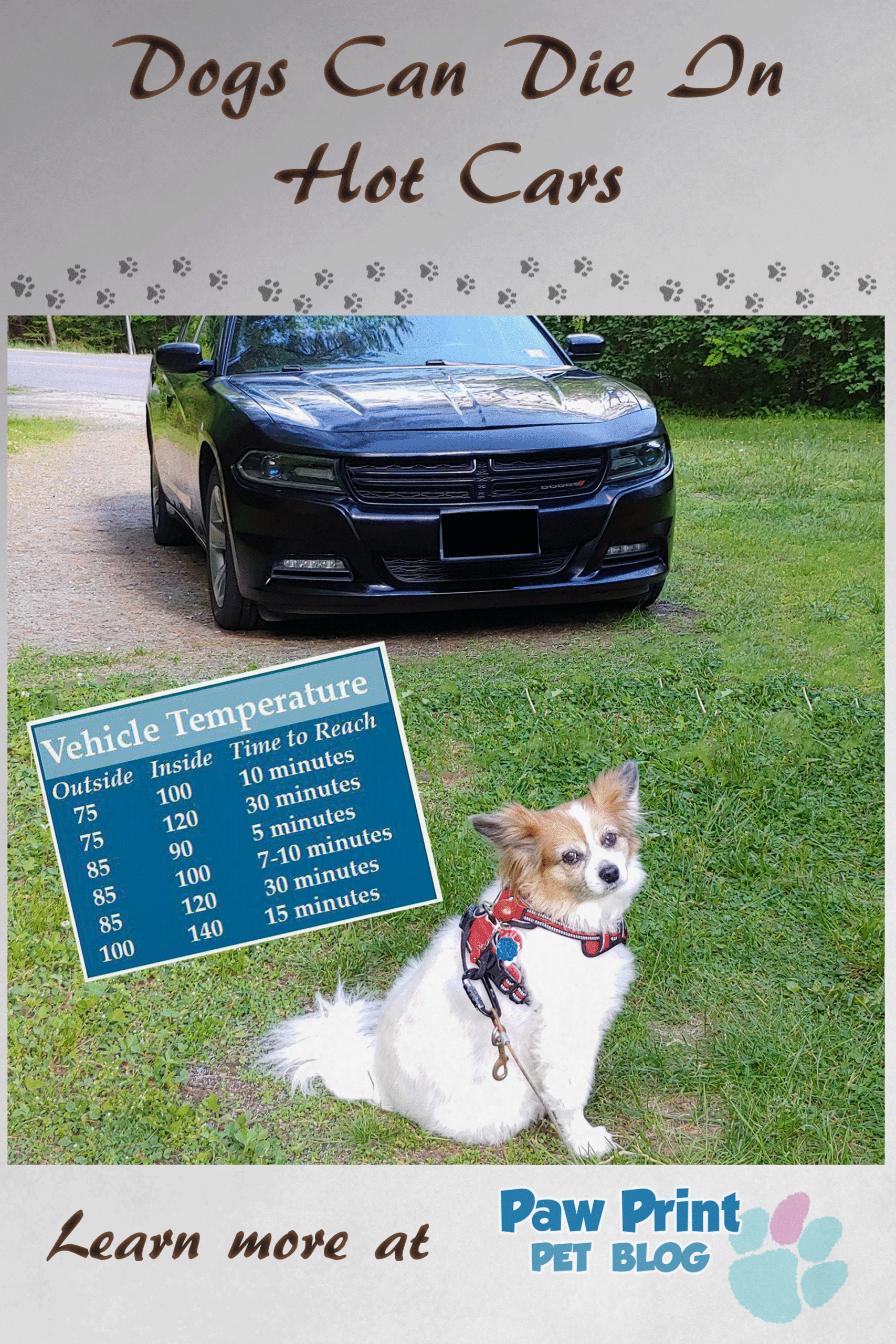
Dogs Can Die In Hot Cars


dog hot car safety

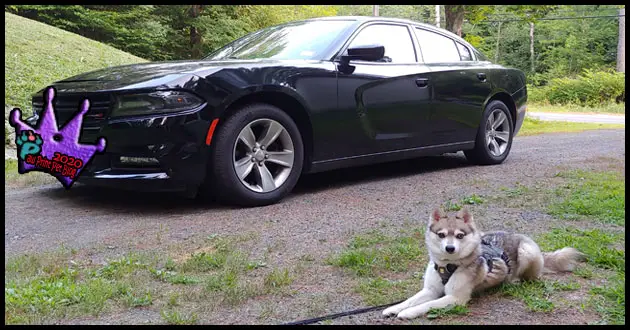
Dog hot car safety… this is a topic that comes up every summer!  I understand the appeal of taking your dogs with you to as many places as possible!  I’ve always loved taking my dogs places with me.  I do it so often, that it sometimes feels weird to walk around without any leashes in my hand.  For a long time my little pack went without a car.  A few years ago, while prepping to move out of the city, we purchased our first car.  It took quite awhile for Kit and Fen to get used to it.  For the most part, they really enjoy car rides now.  However it’s important, when the weather is warm, that you remember to never leave your dog (or any other pet) out in your car, even if it’s “just for a minute”.

Even on a relatively cool day, temperatures inside a car can rise enough to cause heat stress, stroke, and sometimes death.

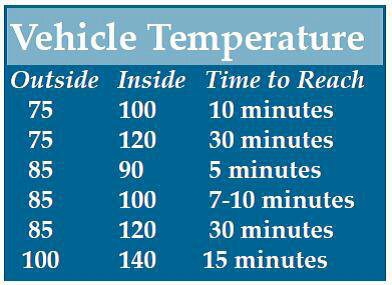
There have been numerous studiesOpens in a new tab. that show just how quickly, even on a cooler day, temperatures inside a car can rise.  Even when the weather outside is a comfortable 75*F, temperatures inside parked cars can rise to 100*F and above in a matter of just around 10 minutes.  Leaving a window cracked does not do enough to keep your pet(s) safe.  The study I linked to above concluded that keeping a window cracked has very little impact on the internal temperature of a parked car.

dog hot car safetyDid you know that in some US states it’s even illegal to leave your pet unattended in a vehicle?

Some places also have laws allowing citizens, law enforcement agents, or both to lawfully rescue a distressed animal, even if it means damaging a car.

But I’m preaching to the choir here, right?  I’m pretty sure most people who would spend their free time reading a pet blog wouldn’t be the type of people who would leave their pet alone in their car!  Perhaps more pertinent information would be…

What should you do if you come across an animal in distress inside a hot car?

  • Know the laws in your state, ideally ahead of time.  As I stated above, some states allow citizens to break into cars to rescue animals.  It’s important to note, however, that in other states you can be held liable if you damage someone’s car.  Some state laws only allow forceful entry to save an animal if all other options have been exhausted.
  • Write down any important information such as the car’s make, model, and license plate number, the condition of the animal inside, and the current weather.
  • If the car is parked outside of a business, ask an employee to attempt to page the owner.
  • If an owner cannot be quickly located, contact your local police precinct.  If you don’t know your local laws pertaining to animals trapped inside hot cars, ask the dispatcher for advice.  In most cases, they’ll probably have you wait near the car until an officer arrives to help.

These days, newer car models are being designed with features to potentially keep pets safer.

Tesla, for example, recently introduced “Dog Mode”, a feature.  It keeps climate control on for pets, and displays a message on the car’s touchscreen.  The message notifies good samaritans that the car is temperature controlled.  There are also a number of products popping up on the market, things like small, portable air conditioners, and battery powered fansOpens in a new tab., that could potentially help keep pets cooler in cars.

dog hot car safety

Personally I wouldn’t feel 100% comfortable trusting my dog’s lives to technologies such as these.  When we travel with Kit and Fen we make sure they’re never left alone.  Usually this means taking bathroom breaks (etc.) in shifts.  Or in some instances, just opting to leave them safe at home.

We always love to hear from our readers, comment below!  What are some things you do to make car travel safer for your pet(s)?  Have you ever encountered a situation when you had to help an animal trapped inside a hot car?

dog hot car safety

Is It Safe To Feed Dogs Ice Cubes?


Ever since we moved out of the city, we’ve gone without air conditioning.  It’s not nearly as hot where we live now as it was where we were before.  But every now and then, in the summer, we’ll have a few excessively hot days.  Some of our favorite ways to keep cool, sans AC, include wading around in our local brook, relaxing in front of fans, and exploring the nice shady woods around our house.

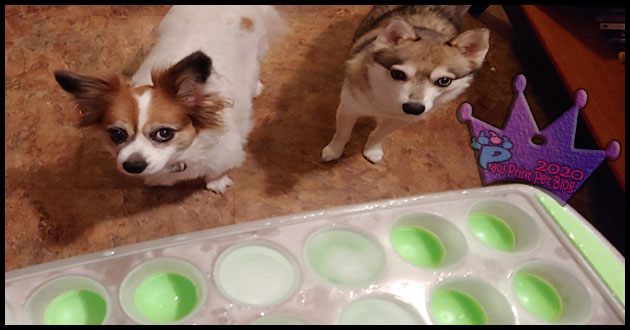
The dogs especially enjoy eating doggy ice creamOpens in a new tab..  I will sometimes freeze bone broth and ice cube trays for them.  I will also put ice cubes in KitOpens in a new tab. and FenOpens in a new tab.‘s water bowls, and sometimes give them ice cubes to play with.  Is it safe to give dogs ice cubes?  After reading some conflicting information, I decided to dive in and do my own research.

There has been a story circulating the internet, apparently since around 2007, that warns owners against giving dogs ice cubes or ice water.

All these years later I couldn’t find a link to the original article anymore, but the short version is that supposedly eating ice or drinking very cold water can cause a dog’s stomach to spasm, which can lead to bloat.  Bloat is most common in large dogs, although not unheard of in small breeds, and it can be deadly.

However, I was unable to find any reliable source that could explain the link between cold water, stomach spasms, and bloat.

dogs ice cubesDr. Patty Khuly, in a now removed petmd articleOpens in a new tab., wrote that “Frigid water gastric “cramping” is a falsehood akin to those that inform you that your hair will grow back coarser if you shave it (myth), or that you shouldn’t go swimming for 30 minutes after eating lest you drown in a fit of cramps (myth).”  Although I looked at many articles about bloat and its causes, I didn’t find a single source that specifically listed eating ice or drinking cold water as a risk factor for bloat.  The ASPCAOpens in a new tab. states that “the exact cause [of bloat] is currently unknown. Certain risk factors include: rapid eating, eating one large meal daily, dry food-only diet, overeating, overdrinking [water of any temperature], heavy exercise after eating, fearful temperament, stress, trauma and abnormal gastric motility or hormone secretion.”

In fact, many veterinarians and pet experts recommend ice be given to teething puppies.

One of our old vets recommended offering ice chips as a way to help keep sick dogs hydrated.  I also came across many sources that recommended ice be used in pet bowls to keep their water cool in the summer.

The only widely documented risk of eating ice, that I could find, was that, because it’s so hard, it can cause fractured teeth.

You can offer your dog crushed ice instead of ice cubes, if this is something you’re worried about.  In addition, frozen treats such as doggy ice cream, yogurt, bone broth, etc., are usually quite a bit softer than plain ice.

I came across a few sources that also suggested ice can present a choking hazard, although I couldn’t find any actual cases of this happening.

My guess would be that, even if a dog were to swallow a large pieces of ice, it would quickly melt enough to not present as much of a choking risk.  If you have a dog that’s prone to gulping food, be especially careful not to offer large food items.  This is another instance where a softer frozen treat, or shaved ice, might prove safer than offering large ice chunks.

I know this is only anecdotal…

I’ve been giving my KitsuneOpens in a new tab. ice cubes every now and then for 13+ years, and FenrirOpens in a new tab. for 6+, and we’ve never had any issues doing so.  Like most things, I think it’s important to offer frozen treats, ice included, in moderation.  Ice cubes should be made from fresh, clean water.  Know your dog.  Fenrir, for example, usually likes playing with ice more than eating it.  Even when he does eat it, he licks at it rather than biting/chewing on it.  I doubt I’d ever have to worry about him hurting his teeth or choking on ice.  However, if his ice eating style was different I’d think twice about offering it to him, and would probably opt for offering shaved ice and soft frozen treats only.

If anyone comes across any information on this topic that I may have missed, feel free to comment and let me know!  For now I’ve decided that I’m going to chill when it comes to offering my dogs ice.  I will continue to offer the occasional frozen treat to help keep my dogs cool.

dogs ice cubes