
While domestic mice and rats can make good pets, nobody enjoys having wild mice and/or rats living inside their home. They steal our food, can spread fleas and disease, and leave their droppings all over the place. There are several common techniques used for successfully eradicating rodents from our homes, one of which includes the use of rodenticides. A rodenticide, by definition, is a poison or chemical substance used to kill rodents. Although they are designed to kill mice and rats, rodenticides can be very dangerous to other critters too. Pet owners with pest problems who intend to use poisons should be aware of the potential dangers these substances pose to their pets. Also, pet owners in general should be aware of the signs and symptoms of rodenticide ingestion because it is not uncommon for pets to come into contact with these poisons accidentally, even when they are not used in the pet owner’s own home. Even a small amount of rat or mouse poison, if not treated in time, can cause serious illness and death in pets. Luckily, however, if caught in time, there is a successful treatment for rodenticide poisoning.
How rodenticides work and signs of rodenticide poisoning in domestic pets:
Most rodenticides work by acting as an anticoagulant (warfarin, bromadiolone, and brodifacoum are examples of anticoagulant rodenticides). When an animal ingests them, they work by depleting the body’s stores of Vitamin K. Vitamin K is an essential ingredient in the formation of blood clots. As well as depleting the body’s store of Vitamin K, rodent poisons also contain chemicals that increase the chance of damage to blood vessels. Animals that die as a result of a rodenticide bleed to death internally. Blood vessels become damaged, and because the body no longer has a store of Vitamin K, blood clots cannot form to stop the damaged vessels from bleeding. In rodents, death after consuming a rodenticide usually takes a couple of days.
Rat and mouse poisons do the same thing to domestic pets as they do to rodents. The most common symptoms of rodenticide toxicity in domestic pets include:
- Blood in urine and/or stool
- Bleeding under the skin (bruising)
- Low blood pressure
- Nosebleeds
- Vomiting blood
- Shock
- Pale skin and gums
- Lethargy
- Confusion or altered mental state
- Trouble breathing
- Bleeding from the gums
- Seizures
If you notice any of these symptoms in your pet, or have any reason to believe that your pet may have been exposed to poison, it’s important to get them to the vet as soon as possible. There is a very simple and effective cure that can be given if your pet ingested an anti-coagulant rodenticide – Vitamin K supplements. The Vitamin K is normally given as a combination of injections and oral medications, and is typically given for a number of weeks until the dangers of the rodenticide exposure have passed.
A quick note about other types of rodenticides:
It’s important to note that while anti-coagulant rodenticides are the most commonly used (because there is an antidote), there are other types of rodenticides that are sometimes used. Some types of poisoning can be treated easier than others. It’s important to take your pet to a vet if you notice any unusual symptoms, or if you know or think your pet was exposed to any type of poison.
Steps to take to avoid rodenticide poisoning:
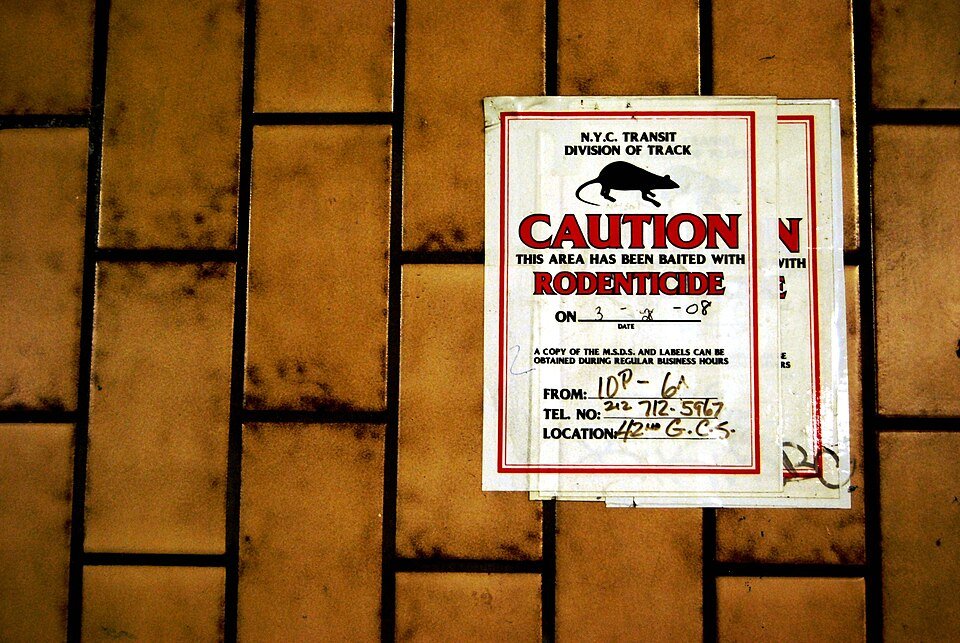
Pets ingesting rodent poison is an emergency situation. Even anti-coagulant rodenticides, the easiest type of rodenticide to treat for if an ingestion occurs, can cause death if not treated promptly. Consider using alternative methods to eradicating pests form your home, such as humane traps or kill traps that do not use poisons. Rodenticides are not only dangerous to our pets, but to local wildlife species as well.
When you move into a new home or apartment, ask the former tenants/owners or landlord if poison was used in the home. Make sure you check for and remove any rodenticide that may have been left behind by former tenants/owners. Be sure to check everywhere in the home, such as under counters and stoves and inside cabinets. You’d be surprised at the places some pets will get into to get to what they think is a treat.
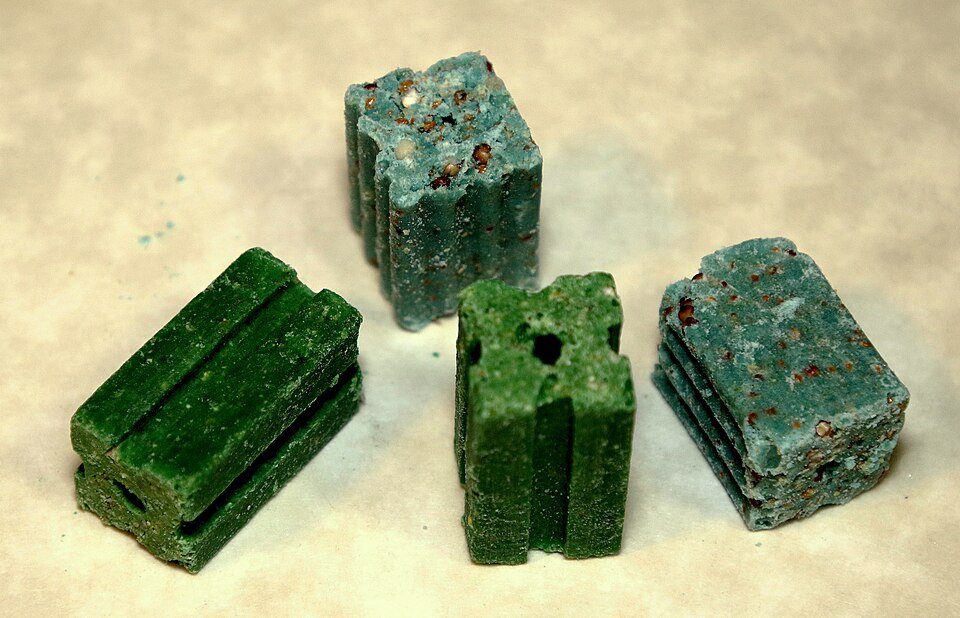
Try to have an idea of what rodenticide looks like so that you can avoid it if you see it outside. Some people will place rodenticide in locations outside their homes. Keep your pet from wondering through private property and keep informed about any reports of rodenticide poisonings in your area. It’s theorized that even stepping on rat/mouse poison and than licking their paws can expose pets to enough poison to be deadly.
Most importantly, stay aware of your pets condition and discuss any health changes with your vet. Know the most common symptoms of poisoning so that you can recognize the signs in your pet and get him/her treatment ASAP. Be an informed owner and you will be more likely to be able to save your pets life.
We’ve, unfortunately, been dealing with content scrapers stealing our articles. You shouldn’t be seeing this post on any site other than pawprintpetblog.com . If you’re reading this on any other site, we’d love for you to take the time to contact us and let us know and, if you have the time, stop by and visit us on our official site! Thank you.
Recent Posts
Do you ever look outside, only to find your canine companion happily grazing on your lawn? Is your pooch famous for his or her cow impersonations? Why do some dogs eat grass anyways? No one...
When my dogs and I still lived in the city, I was a stickler for bath time! Each of my dogs, Kitsune and Fenrir, got a bath every other week. (Almost) no exceptions! 5 years or so ago, when we...